
Bozze di storie: l'IA umanizzante corre sotto le cinquanta parole

I team narrativi adorano i piccoli esperimenti: tre frasi di dialogo, un paragrafo introduttivo, una sinossi mascherata da prosa. Poi qualcuno incolla quel frammento in un sistema di umanizzazione, ottiene un risultato deludente o si blocca, e decide che la categoria è inutile. Il fallimento spesso inizia prima ancora dello stile.
Le caselle pubbliche impongono una lunghezza minima e i frammenti brevi non danno a un riscrittore strutturale un ritmo sufficiente per ricostruire. Se la tua abitudine nel laboratorio di storie è quella di usare micro-incolla, un umanizzatore AI sembrerà rotto per ragioni che sono davvero pacchetti design.
La soluzione non è "scrivere più a lungo per lo strumento". È smettere di testare la riscrittura strutturale su frammenti che non erano mai stati pensati per veicolare un ritmo fin dall'inizio.
capitoli
Il dolore dei tentativi di umanizzazione ridotti a brandelli
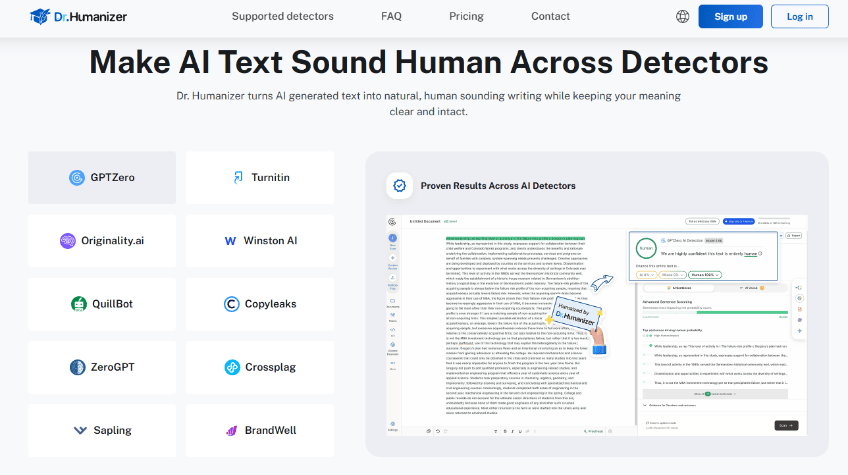
Le bozze delle storie falliscono i rilevatori e i lettori umani per motivi diversi rispetto alle FAQ. Le scene devono essere disomogenee condanna lunghezza, pensieri interrotti e ancore sensoriali concrete. Una logline di dodici parole non ha quasi nulla di tutto ciò. Usando un Umanizzatore AI Partendo da un frammento così breve, si ottiene una sinossi di dodici parole leggermente diversa. La riscrittura strutturale richiede spazio per spostare le proposizioni senza inventare una trama che non è stata fornita.
Le vecchie abitudini di laboratorio peggiorano ulteriormente la situazione. Gli autori incollano un singolo paragrafo generato dall'IA, detestano il risultato, lo frammentano in pezzi più piccoli "per controllare la qualità", quindi umanizzano ogni frammento. Ogni tentativo è meno contestualizzato del precedente. Il pomeriggio si conclude con un mosaico di frammenti levigati che si rifiutano ancora di suonare come un unico narratore.
Perché esiste una lunghezza minima nella casella di testo?
Sulla piattaforma pubblica di Dr. Humanizer, la lunghezza dei testi da incollare non è infinita. Il riquadro per gli ospiti mostra un limite di alcune centinaia di parole, con un minimo di circa cinquanta, e gli utilizzi gratuiti vengono conteggiati. La registrazione sblocca un credito gratuito maggiore, misurato in parole. Inoltre, per ottenere risultati migliori, si consiglia di inviare almeno un paio di centinaia di parole alla volta e di provare modelli diversi quando i risultati non sono uniformi.
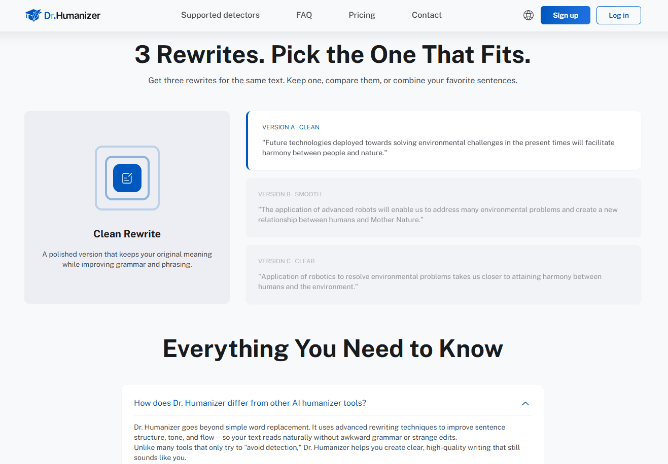
Questi numeri rappresentano dei vincoli di prodotto con conseguenze creative. Al di sotto del minimo, potresti non ottenere affatto una riscrittura seria. Vicino al minimo, potresti ottenere una riscrittura che non ha altra via d'uscita se non un riordino di sinonimi adiacenti. Intorno a un gruppo di paragrafi più completo, le varianti Clean, Smooth e Clear possono effettivamente divergere nella forma.
- In meno di 50 parole circa: la corsa potrebbe essere bloccata o inutile; allegare il battito precedente per il contesto.
- Circa 50-120 parole: è probabile un rimescolamento superficiale; aggiungere elementi concreti e un dettaglio tangibile.
- Circa 200 parole o più: c'è abbastanza ritmo per ricostruire; mantieni intatto l'obiettivo della scena e contrassegna le battute che devi assolutamente conservare.
Un pacchetto Story-Lab che sopravvive alla scatola
Crea i pacchetti come fai già con le scene: obiettivo, ostacolo, svolta. Incolla l'intera sequenza, non solo la battuta finale. Segna le battute di dialogo che non vuoi rendere conformi alla cortesia aziendale. Quindi esegui Humanize Now a un livello di umanizzazione moderato e leggi le tre versioni per verificare la presenza di plagio vocale: Smooth può smussare l'incisività di un personaggio se non si presta attenzione.
Se una versione mantiene la svolta della trama ma appiattisce un'inflessione gergale di cui hai bisogno, recupera solo le correzioni strutturali e ripristina manualmente la voce. Questo passaggio di combinazione è normale. drhumanizer restituisce delle opzioni; non sceglie il narratore per te.
Input sporchi che vale la pena usare di proposito
Prova una scena pulita, una con delle abbreviazioni generate dall'IA e sovrapposte di proposito, e una che mescola punti elenco con la prosa. I casi "sporchi" mostrano se il rewriter comprime gli elenchi in falsi paragrafi o preserva il tuo turno. Se i punti elenco diventano false affermazioni narrative, rifiuta l'intera versione. Una trama inventata è un errore imperdonabile, anche se il ritmo migliora.
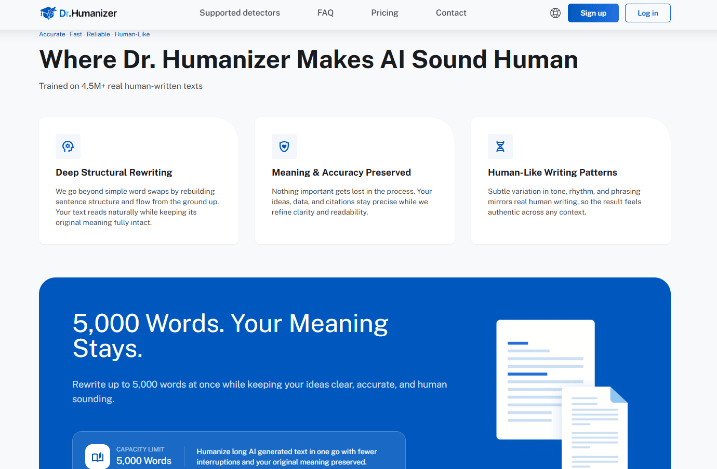
Assegna al Rewriter un'unità drammatica completa
Un frammento di scena non corrisponde a un intero capitolo. Significa avere abbastanza materiale perché il lettore percepisca un movimento: qualcuno desidera qualcosa, incontra resistenza e approda in un luogo diverso. Questo lascia spazio alla riscrittura strutturale per cambiare la direzione della storia senza introdurre un colpo di scena inesistente. Un semplice dialogo non può veicolare queste relazioni. Può sembrare efficace, ma produce solo un frammento più gradevole, ed è per questo che i piccoli test spesso si rivelano inefficaci per valutare la voce narrante.
Prima di incollare, scrivi tre note sopra il ritmo: l'obiettivo del personaggio, il fatto che non deve cambiare e la frase la cui ruvidezza è intenzionale. Queste note mantengono la recensione ancorata alla realtà. Se una versione trasforma un personaggio schietto in un narratore educato, scartala anche se le transizioni risultano più fluide. Il lavoro sulla storia ha un segnale di costo diverso da copia di marketingIl furto di voce può costringere uno sceneggiatore a ricostruire una scena da zero.
Utilizzare la casella ospite come controllo ristretto
La sezione per gli ospiti accetta circa 300 parole nel suo spazio, richiede un minimo di circa 50 parole e non offre tre utilizzi gratuiti prima della registrazione. La registrazione gratuita fornisce un credito di 800 parole. Questi limiti rendono la sezione per gli ospiti adatta a un singolo spunto di scrittura efficace, non a una raffica di battute abbozzate. Uno scrittore che spreca i tentativi disponibili su spunti di dieci parole non impara quasi nulla su come lo strumento gestisce una scena.
Preferisco duecento parole per il lavoro vocale
Il consiglio pratico è di inviare, quando possibile, almeno 200 parole. Con questa lunghezza, un editor può confrontare il ritmo, le frasi ripetute e il passaggio alla scena successiva. Il contesto aggiuntivo rende inoltre più facile capire se una riscrittura ha preservato un indizio, un nome o un'interruzione intenzionale. Questo non è un invito ad allungare una scena debole. Aggiungete la parte adiacente che le appartiene, invece di inventare spiegazioni solo per raggiungere un determinato numero di parole.
Leggi il Turno prima di conservare qualsiasi versione
Metti a confronto l'originale e la versione finale, poi leggi prima le ultime due frasi. Il cambiamento di tono funziona ancora? Il personaggio continua a sembrare la stessa persona? Se la risposta è incerta, la versione non è ancora pronta per essere pubblicata. Questa regola di revisione è più rapida rispetto alla correzione di modifiche sparse in un secondo momento e protegge l'unica cosa che un umanizzatore non può scegliere per te: ciò che la scena sta effettivamente cercando di rivelare.
Il Dottor Humanizer si adatta a un laboratorio di narrativa come opzione strutturale, non come sostituto dell'autore. Datele una struttura completa, conservate i tentativi gratuiti limitati e lasciate la decisione umana al momento opportuno. Una sinossi rimane uno strumento di pianificazione; non è sufficiente per giudicare un narratore.
Utilizzare un protocollo di revisione della scena ripetibile
Mantieni la revisione abbastanza breve da poter essere ripetuta. Il protocollo di prova può consistere in un singolo passaggio con una svolta chiara, una linea approssimativa che deve rimanere tale e un dettaglio fattuale che deve rimanere al suo posto. Leggi il testo originale e ogni versione senza guardare il punteggio. Una versione può sembrare a posto, ma diventare illeggibile quando un personaggio improvvisamente esprime un sentimento che normalmente non direbbe. Questo è un evidente fallimento narrativo, non una questione di rilevamento.
Annota solo il motivo del rifiuto: svolta mancata, tono troppo smorzato, trama inventata o cadenza ripetuta. Questo impedisce allo scrittore successivo di riproporre lo stesso frammento e di riscontrare nuovamente lo stesso problema. Limita anche le riscritture. Ricostruire una scena dopo che la sua componente emotiva è stata smussata costa di più che impiegare due minuti per rifiutare il testo prima che entri nella bozza.
Smettetela di dividere le scene in frammenti di prova
La suddivisione in blocchi è talvolta necessaria per raggiungere i limiti di input a pagamento nei capitoli lunghi. Non è la mossa giusta per un esperimento di 90 parole. Unisci i frammenti correlati finché non raggiungi il minimo con spazio a sufficienza, esegui una prova, poi modifica. I contatori per l'uso gratuito rendono costoso il metodo "a pioggia" ancor prima di pagare: tre brevi e deboli prove ti insegnano meno di una prova onesta della durata di un singolo brano.
Esiste anche una ragione di continuità per mantenere uniti i passaggi adiacenti. Un personaggio può apparire contenuto in un paragrafo perché il paragrafo precedente ha stabilito la pressione a cui è sottoposto. Inviare a un editor solo la frase in cui appare contenuto elimina quel contesto e fa sembrare una normale pausa un difetto. Unire il materiale pertinente permette all'editor di valutare se il ritmo è cambiato mantenendo intatta la logica emotiva.
Gli scrittori dovrebbero prestare particolare attenzione ai dialoghi, ai frammenti di testo e alle parole ripetute. Queste scelte, prese singolarmente, possono apparire disordinate, ma conferiscono carattere alla pagina. È bene annotarle prima di ogni revisione e confrontarle in seguito. Se una variante smussa ogni imperfezione, è opportuno apportare il miglioramento strutturale altrove e ripristinare manualmente la voce narrante. L'obiettivo è una scena che mantenga la riconoscibile identità dello stesso narratore, senza però sacrificarne le imperfezioni.
Ship Beats, non esperimenti di dodici parole
L'umanizzazione strutturale aiuta le bozze della storia quando il pacchetto contiene già un ritmo da ricostruire. Usa Dr. Humanizer su sequenze di dimensioni pari a una scena che eliminano il minimo indispensabile e preferibilmente si trovano più vicini alla fascia guida per risultati migliori. Se hai solo una sinossi, espandi prima la sequenza.
Lo strumento non può, eticamente, inventare la parte centrale mancante della tua scena solo per sembrare umano.
Altri articoli interessanti
- Generatore di post LinkedIn AI
- Esempi di idee per video di giardinaggio su YouTube
- Agenti di intelligenza artificiale per aziende di giardinaggio
- I migliori stili artistici dell'intelligenza artificiale
- Esempi di idee per video di YouTube sul controllo dei parassiti
- Idee per contenuti automobilistici sui social media
- Esempi di idee per video di idraulici su YouTube
- Agenti di intelligenza artificiale per aziende di disinfestazione
- Esempi di idee per video di elettricisti su YouTube
- Come le aziende di disinfestazione possono ottenere più contatti
- Annunci Google AI per servizi domestici
- I video di formazione di 60 secondi sono il nuovo standard aziendale.
- Prezzi delle pubbliche relazioni in ambito di sicurezza informatica: onorari, risultati attesi e ritorno sull'investimento (ROI)
- I migliori strumenti di intelligenza artificiale per la coerenza dei prodotti nell'e-commerce (video)
Padroneggia l'arte del video marketing
Strumenti basati sull'intelligenza artificiale per Idea, ottimizza e amplifica!
- Scatena la creatività: Scatena le idee video, gli script e gli hook coinvolgenti più efficaci con i nostri generatori di intelligenza artificiale.
- Ottimizza istantaneamente: migliora la tua presenza su YouTube ottimizzando i titoli, le descrizioni e i tag dei video in pochi secondi.
- Amplifica la tua portata: Crea senza sforzo social media, e-mail e copia dell'annuncio per massimizzare l'impatto del tuo video.