
The Role of Technology in Modern Education

Technology has revolutionized every aspect of our lives and education is no exception. In recent years, there has been a significant increase in the integration of technology in modern education. From online learning platforms to interactive whiteboards and educational apps, technology has transformed the way students learn and teachers teach.
Gone are the days when learning was confined within the four walls of a classroom. With technology, students now have access to a vast amount of information at their fingertips, making learning more engaging and interactive. Teachers can also use various technological tools to create an immersive learning experience for their students.
In this blog post, we will delve deeper into the role of technology in modern education and discuss how it has changed the landscape of traditional education. Let’s jump in.
Chapters
Available Learning Apps
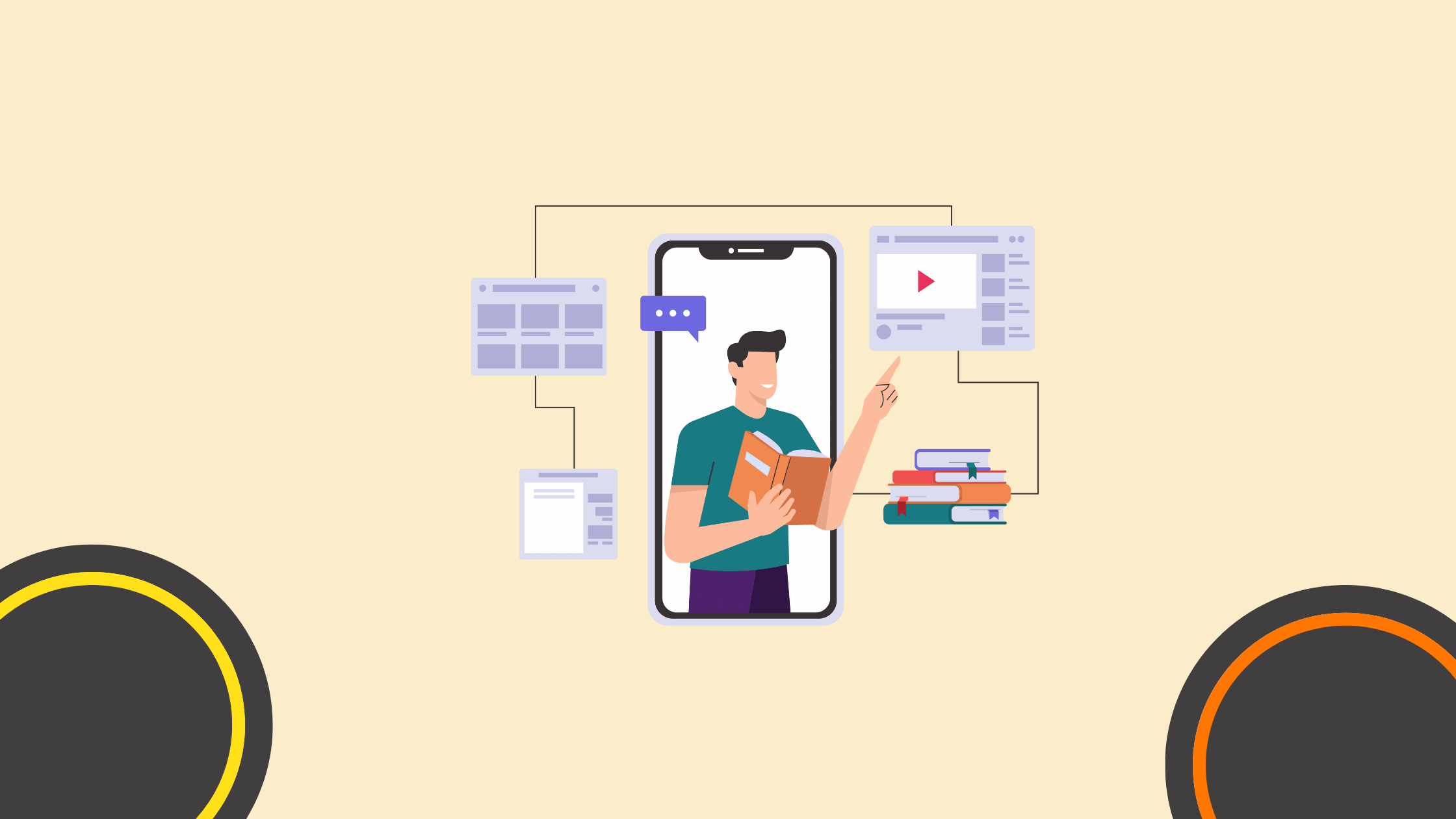
One of the most significant impacts of technology on modern education is the availability of learning apps. These educational apps cover a wide range of subjects and offer interactive learning experiences for students. From language learning to math and science, there are countless apps available that cater to different learning styles and needs.
Moreover, there are platforms that combine and enable you to find all the tools and apps you need for your learning process. For instance, as highlighted by the team behind AppsAnywhere, students can easily access educational apps through a single platform, making it easier for them to stay organized and focused on their studies. This enables them to spend less time searching for apps and materials to enjoy more time actually learning.
Interactive Learning
Gone are the days when education was limited to lectures and note-taking. Technology has transformed the learning experience by making it more interactive and engaging. With tools like interactive whiteboards, educational apps, and gamified online course platforms, students can now actively participate in their learning process.
These tools not only make learning more fun and interesting but also help to improve retention and understanding of concepts. Additionally, interactive learning also caters to different learning styles, making it easier for students to grasp complex topics.
Personalized Learning
One size does not fit all when it comes to education, and technology has made it possible for personalized learning to become a reality. With adaptive learning software and data-driven analytics, teachers can tailor their teaching methods based on individual student needs. This allows for a more personalized approach to education, where students can learn at their own pace and receive targeted support where needed.
This is especially beneficial for students with learning disabilities or those who struggle with traditional teaching methods. With technology, personalized learning has become more accessible and effective than ever before.
Remote Learning

In the face of a global pandemic, technology has played a crucial role in ensuring that education continues despite physical barriers. With remote learning tools such as video conferencing software, online classrooms, and virtual simulations, students can continue their education from the safety of their homes.
Remote learning has allowed for the continuation of education during unprecedented times, but it has also opened up opportunities for students who may not have had access to traditional education methods. It has also encouraged schools and institutions to be more innovative in their approach to education.
Collaboration and Communication
Technology has made it easier for students and teachers to collaborate and communicate with each other, regardless of geographic barriers. With tools like online discussion forums, group chats, and collaborative platforms, students can now work together on projects and assignments from anywhere in the world.
Collaboration and communication are essential skills for the workplace, and technology has made it possible for students to develop these skills from a young age. It also allows for a more diverse range of perspectives to be shared in the learning process.
Innovative Teaching Methods
Last but not least, technology has brought about innovative teaching methods that have transformed traditional education. From flipped classrooms to blended learning approaches, teachers can now utilize various tools and techniques to cater to different learning styles and make the learning experience more dynamic.
These methods not only make learning more engaging but also prepare students for the constantly evolving technological landscape of the real world. It also encourages teachers to continuously adapt and improve their teaching methods, making education a more dynamic and evolving process.
Technology has played a significant role in modern education, bringing about numerous benefits for both students and teachers. It has made access to information easier, transformed the learning experience to be more interactive and personalized, opened up opportunities for remote learning, improved collaboration and communication among students, and introduced innovative teaching methods. As technology continues to advance, it will undoubtedly bring even more advancements and changes to the world of education. As such, it is essential for educators to embrace technology and continue exploring new ways to improve the learning experience for future generations.
FAQ
What is the role of technology in modern education?
Technology supports instruction, enhances access to learning, enables personalization, and allows educators to deliver content more engagingly and efficiently.
Why is technology important in schools today?
It increases student engagement, supports diverse learning styles, allows for remote instruction, and gives access to a wide range of resources and tools.
What are common technologies used in education?
Popular tools include learning management systems, educational apps, adaptive learning platforms, virtual and augmented reality, and video conferencing tools.
How does technology support personalized learning?
Adaptive platforms adjust content based on student performance. Teachers can tailor lessons, provide individualized feedback, and support self-paced progress for each learner.
What impact does technology have on student engagement?
Interactive media, gamified learning, multimedia resources, and instant feedback increase motivation, attention, and participation in the classroom.
How does technology help teachers manage classrooms?
Tools assist in tracking student progress, automating grading, organizing assignments, facilitating communication with students and parents, and analyzing class data.
Can technology support remote or hybrid learning?
Yes. Video conferencing, virtual classrooms, and online platforms make structured instruction accessible wherever students are located.
How do educators select the right technology tools?
They consider curriculum goals, ease of use, student accessibility, data privacy, cost, and alignment with pedagogical approaches.
What are the benefits of blended learning models?
Blended models combine online and in-person instruction, allowing flexibility, reinforcing concepts, and providing students with varied learning experiences.
How does technology support collaboration in learning?
Tools like shared documents, discussion boards, breakout rooms, and group projects foster teamwork and peer learning in virtual or classroom settings.
Can technology improve assessment outcomes?
Yes. Real-time quizzes, digital assignments, and analytics dashboards help track progress, identify gaps, and adapt instruction quickly.
How do schools address privacy concerns with edtech?
They ensure compliance using strong policies, secure platforms, data encryption, user permissions, and awareness of student data protection standards.
What role does virtual reality play in education?
Virtual and augmented reality offer immersive simulations, interactive experiences, and real-world context that help deepen understanding and retention.
Can technology support students with special needs?
Absolutely. Assistive tools such as speech-to-text, screen readers, captions, interactive visual supports, and customized pace ensure inclusivity in learning.
How do teachers integrate technology without overloading students?
They balance screen time, combine tech with hands-on activities, set clear guidelines for tool usage, and ensure digital breaks and moderation.
How does technology impact home and family involvement in education?
Platforms allow parents to track assignments, grades, attendance, and school communication—boosting engagement and transparency in student progress.
What professional development do teachers need for edtech?
Training in new systems, pedagogy integration, digital toolkit use, managing online classrooms, and child data privacy is essential for effective use.
What challenges do schools face with educational technology?
Common challenges include inequitable access, funding constraints, resistance to change, tech maintenance, and keeping digital materials current.
How are emerging technologies shaping future education?
Advances like AI tutoring, learning analytics, adaptive platforms, mixed reality, and interactive content personalization are transforming how students learn and teachers teach.
How can schools begin adopting technology in teaching?
Start with a needs assessment, pilot tools in small classes, train staff, gather feedback, improve processes, and gradually expand impactful applications.
Other Interesting Articles
- AI LinkedIn Post Generator
- Gardening YouTube Video Idea Examples
- AI Agents for Gardening Companies
- Top AI Art Styles
- Pest Control YouTube Video Idea Examples
- Automotive Social Media Content Ideas
- AI Agent for Plumbing Business
- Plumber YouTube Video Idea Examples
- AI Agents for Pest Control Companies
- Electrician YouTube Video Idea Examples
- AI Agent for Electricians
- How Pest Control Companies Can Get More Leads
- AI Google Ads for Home Services
Master the Art of Video Marketing
AI-Powered Tools to Ideate, Optimize, and Amplify!
- Spark Creativity: Unleash the most effective video ideas, scripts, and engaging hooks with our AI Generators.
- Optimize Instantly: Elevate your YouTube presence by optimizing video Titles, Descriptions, and Tags in seconds.
- Amplify Your Reach: Effortlessly craft social media, email, and ad copy to maximize your video’s impact.