
Short Films & AI: Exploring The Creative Potential In Modern Video Production

Short films have always been the fastest way to experiment in cinema. They let you test bold ideas, strange visuals, and new storytelling techniques without needing a blockbuster budget.
Now AI is supercharging that experimental playground.
From tools that draft story ideas and shot lists, to models that generate entire scenes from text prompts, AI is reshaping how short films are written, visualised, and produced. Independent creators can now access capabilities that used to require big studios, while established teams use AI to speed up pre-production, post-production, and concept exploration.
At the same time, AI-generated short films raise tough questions: What counts as “real” creativity? Where are the limits of current tools? How do you credit humans and machines fairly, and protect jobs and ethics in the process?
In this expanded guide, you will see where AI already fits naturally into short film production, what it is (and is not) good at creatively, some standout examples, and a simple workflow you can use to experiment without losing your voice as a filmmaker.
Chapters
- AI’s Entry into the Filmmaking Scene
- The Manchester Connection
- AI’s Role in Pre-Production
- AI in Production: Behind the Camera Magic
- Post-Production: Where AI Truly Shines
- Benefits of AI Integration
- Challenges and Considerations
- The Future of AI in Video Production
- Collaborating with AI: A Win-Win Scenario
- The Creative Upside: What AI Makes Easier Or Newly Possible
- The Limits And Trade-Offs: Where AI Struggles Today
- A Practical AI-Assisted Short Film Workflow
- Where StoryLab.ai Fits In An AI-Short-Film Stack
- FAQ: AI, Short Films & Creative Potential
AI’s Entry into the Filmmaking Scene
Artificial Intelligence in video production is not about replacing human creativity; it’s about enhancing it. AI tools are like skilled assistants, capable of handling various tasks with precision and speed. From scriptwriting to editing, AI is making its mark, offering filmmakers new ways to bring their visions to life. The beauty lies in the collaboration between human creativity and AI’s analytical prowess.
The Manchester Connection
Manchester, a city renowned for its vibrant creative scene, is no stranger to this AI-driven evolution. Local video production companies, such as the esteemed Manchester video production company, are at the forefront of embracing these innovative tools. By integrating AI into their workflow, they are not only staying ahead of the curve but also offering their clients cutting-edge solutions. This blend of local talent and advanced technology is a recipe for success in the competitive world of video production.
AI’s Role in Pre-Production
Scriptwriting and Storyboarding:
AI-powered software is revolutionizing the art of storytelling. These tools can analyze vast amounts of data, offering unique insights into character development, plot twists, and audience preferences. They assist writers in crafting compelling narratives, ensuring stories resonate with viewers. Additionally, AI can generate storyboards, providing a visual roadmap for the production team.
Location Scouting and Casting:
AI algorithms can scan and analyze locations, suggesting ideal spots for filming based on script requirements. This technology can also assist in casting, matching actors to roles based on appearance, skills, and even their social media presence. It streamlines the pre-production process, saving time and resources.
AI in Production: Behind the Camera Magic
Cinematography and Camera Work:
AI-powered cameras are changing the game. These devices can analyze scenes, automatically adjusting settings for optimal lighting, focus, and composition. They can predict and track subjects, ensuring every shot is perfectly framed. Imagine capturing complex scenes with ease, thanks to AI-assisted camera systems.
Audio and Lighting:
AI is also making its mark in audio and lighting departments. AI-driven microphones can enhance audio quality, reducing background noise and ensuring clear dialogue. In lighting, AI algorithms can suggest optimal setups, considering factors like scene mood and subject positioning. This technology ensures every shot looks and sounds impeccable.
Post-Production: Where AI Truly Shines
Editing and Special Effects:
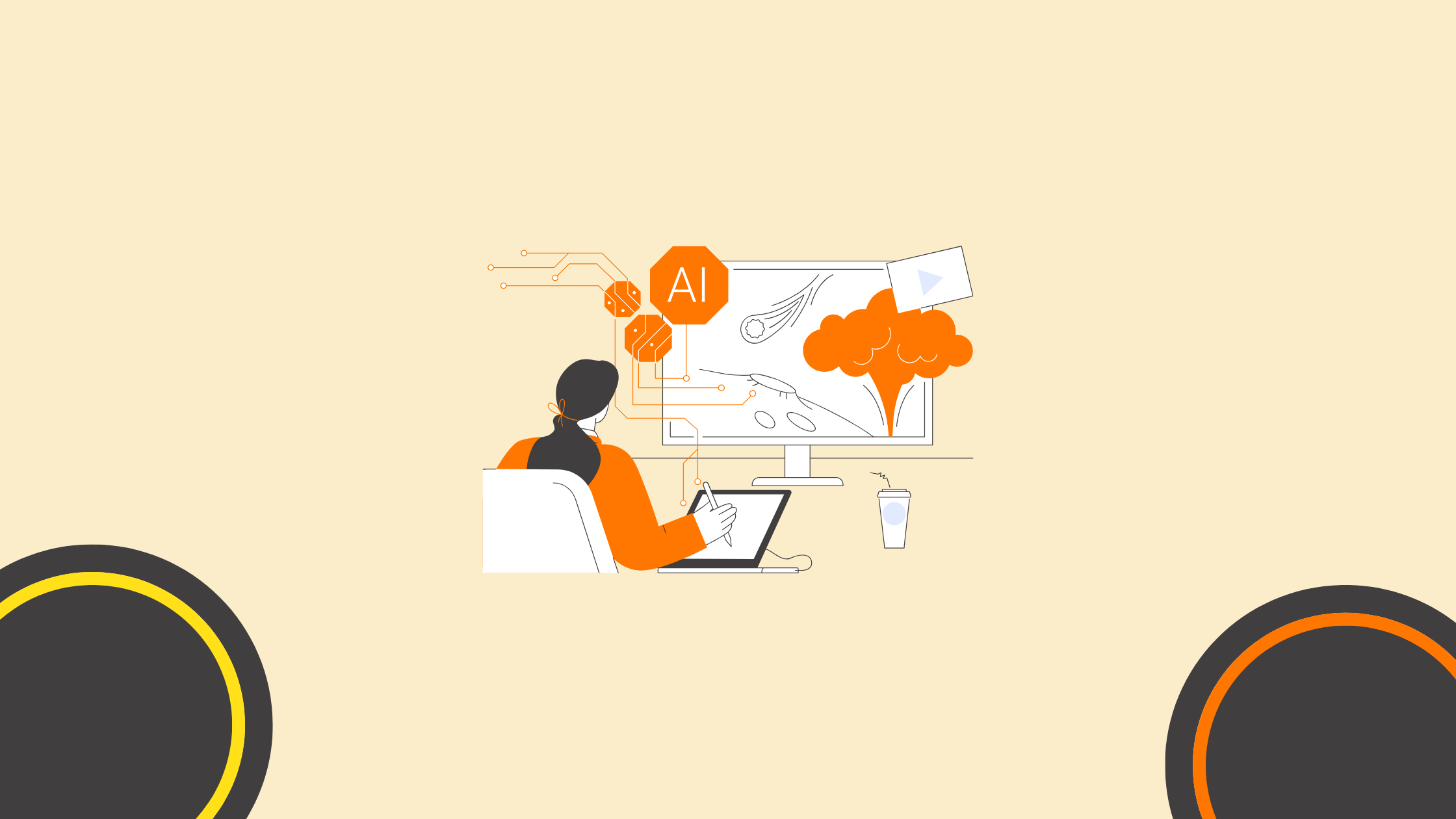
AI is a game-changer in post-production. It can analyze footage, suggesting optimal cuts and transitions, and even adding special effects with precision. AI-powered editing software speeds up the process, allowing filmmakers to experiment with various styles and effects. From basic cuts to complex visual effects, AI assists in crafting the final masterpiece.
Color Grading and Audio Mixing:
The art of color grading, once a time-consuming task, is now expedited by AI. It can analyze footage and apply color corrections, enhancing the visual appeal. Similarly, AI-assisted audio mixing tools balance and fine-tune sound, creating an immersive auditory experience. These processes, now faster and more accessible, elevate the overall production value.
Benefits of AI Integration
- Efficiency and Speed: AI accelerates every stage of production, reducing the time from concept to final cut. This efficiency allows filmmakers to take on more projects or invest more time in creative aspects.
- Cost-Effectiveness: By streamlining processes, AI can reduce production costs. Tasks that once required large teams can now be accomplished with fewer resources, making high-quality video production more accessible.
- Creative Exploration: AI opens doors to creative possibilities. It allows filmmakers to experiment with different styles, effects, and narratives, pushing the boundaries of their art.
- Consistency and Quality: AI ensures a consistent and high-quality output. It maintains a uniform style throughout the production, making it ideal for creating series or maintaining brand aesthetics.
Challenges and Considerations
While AI offers numerous benefits, it also presents challenges. Ethical concerns, such as bias in data and privacy issues, must be addressed. Additionally, the fear of AI replacing human jobs is a valid concern. However, the key lies in collaboration, where AI assists human creativity, allowing professionals to focus on more complex and creative tasks.
The Future of AI in Video Production
The future of AI in filmmaking is bright and full of potential. As technology advances, we can expect even more sophisticated tools. AI-driven virtual production, real-time rendering, and personalized content creation are on the horizon. The Manchester video production scene, with its early adoption of AI, is well-positioned to lead this revolution, offering clients cutting-edge services.
Collaborating with AI: A Win-Win Scenario
For video production companies in Manchester and beyond, embracing AI is not just a trend but a strategic move. By integrating AI into their services, they can offer clients enhanced efficiency, creativity, and value. This collaboration might involve in-house AI tools or partnerships with AI specialists.
In summary, AI is not a threat but a powerful ally in the world of video production. It empowers filmmakers, allowing them to focus on storytelling and creativity. As AI continues to evolve, the future of short films looks brighter, sharper, and more innovative than ever before.
The stage is set for a new era of filmmaking, where AI and human creativity collaborate to captivate audiences and push the boundaries of visual storytelling. It’s time to embrace the revolution and let AI enhance your cinematic journey.
Most short films follow a familiar pipeline: idea → script → visuals and design → production → post-production. AI can now plug into every stage.
1. Concept and script development
AI language models can:
Generate prompts, loglines, and “what if” scenarios to kickstart ideas
Help you explore variations on a premise, character, or ending
Assist with polishing dialogue or structure based on your outline
Early AI-scripted experiments like Sunspring (2016) showed that fully AI-written scripts can be surreal and messy, but surprisingly watchable, especially when shaped by human directors and actors.
2. Storyboarding and visual exploration
Image and video models make it easier to:
Turn written descriptions into concept frames or mood boards
Explore different visual styles before committing to a look
Create animatics or rough previsualisations of key scenes
For shorts with fantasy or abstract elements, this kind of rapid visual iteration is a big creative boost.
3. Production and hybrid shoots
You can now blend:
Live-action footage with AI-generated environments or inserts
Practical performances with AI-enhanced backgrounds, props, or transitions
On-set work with AI-assisted lighting and camera-planning tools
Projects like Ancestra and other AI-assisted shorts mix real actors with AI-generated sequences to visualise inner worlds and impossible shots.
4. Post-production and finishing
In post, AI can help with:
Rough-cut generation and smart scene detection
Automatic subtitles, translations, and basic sound clean-up
Style transfers, motion interpolation, and VFX pre-comps
Editors and colourists still matter, but AI can take care of repetitive tasks so they can stay focused on creative choices.
The Creative Upside: What AI Makes Easier Or Newly Possible
Used well, AI is not about replacing filmmakers. It is about giving them new levers.
1. Lower barriers, more experimentation
AI tools dramatically cut the cost and time required to explore ambitious ideas:
Independent filmmakers and students can prototype worlds, creatures, or complex sequences that used to be out of reach.
Hackathons and challenges now invite teams to create shorts almost entirely with AI, proving what is possible in days instead of months.
This opens the door for more diverse voices to experiment in the medium.
2. Faster iteration on story and style
Because AI generation is so quick, you can:
Test multiple endings or stylistic approaches for a scene
Generate alternate cuts for different platforms (festival version vs social cut)
Learn faster what resonates with audiences
That iterative loop is especially powerful for short films, where you might be juggling multiple ideas at once.
3. New aesthetic territories
AI visuals often have a slightly uncanny or painterly quality. Rather than hiding that, many filmmakers lean into it:
Surreal, dream-like shorts that embrace AI’s glitches and textures
Mixed-media looks where AI is one layer among live-action, animation, and collage
Stories about AI, identity, or synthetic reality, supported by AI-generated imagery
Short films are an ideal space to explore those aesthetics without needing to sustain them for 90 minutes.
The Limits And Trade-Offs: Where AI Struggles Today
Despite impressive progress, AI is far from a magic “make my movie” button. Current tools have clear limitations.
1. Narrative depth and coherence
Even recent AI-generated shorts often show:
Thin character arcs and emotional development
Repetition or sudden tonal shifts
Stories shaped by what the model can easily render, not what serves the theme
Human writers and directors are still essential for structure, meaning, and emotional truth.
2. Consistency over time
Maintaining:
The same character design across many shots
Precise continuity (props, lighting, blocking)
Stable “world rules”
is still challenging with many generative video tools. This makes fully AI-generated longer shorts or features hard to control without heavy human supervision.
3. Ethical and legal questions
AI short films raise big issues:
Training data and copyright (which images, videos, and styles were used to train the model)
Job displacement for crew, animators, and VFX artists as productions shrink
Deepfake risks and consent if real people’s likenesses or voices are involved
Responsible creators need to think about these from the start, not just after a festival submission.
A Practical AI-Assisted Short Film Workflow
Here is a simple, evergreen workflow you can add near the end of the article to help readers move from theory to practice.
Step 1: Define your “human core”
What is the theme, emotion, or question this short is really about?
Which parts must be human-led (script beats, casting, performance)?
Write this down before you open any AI tools. It becomes your creative compass.
Step 2: Choose 1–2 stages to augment with AI
Instead of trying to automate everything, pick a small starting point, such as:
Script ideation and polishing
Concept art and mood frames
Background plates or abstract sequences
Rough edits or subtitles
This keeps the experiment manageable.
Step 3: Prototype quickly, then curate hard
Generate multiple options (scripts, frames, clips).
Curate ruthlessly: keep what serves the story, discard what is “cool but off-topic”.
Use StoryLab.ai to rewrite AI-rough dialogue into natural, in-character lines.
Step 4: Blend AI with practical craft
Combine AI elements with real locations, actors, and practical effects where it adds depth.
Let human editors, sound designers, and colourists shape the final rhythm and feel.
Step 5: Credit transparently and reflect
In your credits or project notes, be open about:
Which AI tools you used and how
Which parts of the work are human-authored
Any constraints you hit
Then gather feedback and decide what you want AI to do more or less of in your next project.
Where StoryLab.ai Fits In An AI-Short-Film Stack
StoryLab.ai sits in the idea and writing layer, where many filmmakers need the most help:
You can use it to:
- Brainstorm loglines, taglines, and one-sentence pitches for your short
- Turn messy notes into structured outlines and beat sheets
- Draft and refine dialogue or voiceover scripts for AI-generated or live-action scenes
- Create synopses, director’s statements, and festival descriptions once the film is done
That means you can spend more time directing and experimenting visually, with less time stuck staring at a blank page.
FAQ: AI, Short Films & Creative Potential
Can AI really make a complete short film on its own?
Technically, yes – there are examples of shorts where AI wrote the script and generated most of the visuals. In practice, the best results still come from human–AI collaboration, where people guide the concept, structure, performance, and final edit while AI accelerates specific tasks.
What kinds of short films benefit most from AI tools?
Projects that are visually experimental, heavy on world-building, or limited by budget often gain the most: sci-fi, fantasy, abstract pieces, stylised music videos, and concept shorts used as “proof of vision” for bigger projects. Training, explainer, and branded shorts also benefit from faster production cycles.
Will AI make human filmmakers obsolete?
Current research and industry commentary lean the other way: AI is likely to change roles and workflows, not remove the need for human storytellers. It is very good at generating options and handling repetitive tasks, but it still struggles with deep theme, truly original perspective, and the many small human decisions that make a film resonate.
How can I learn AI tools without derailing my film?
Start with one tool and one phase (for example, AI storyboards or rough cuts).
Use AI to explore variations, but lock decisions with your human team.
Treat early experiments as tests or side projects rather than hinging a big festival submission entirely on unproven tech.
Are festivals accepting AI-assisted short films?
Many festivals now have guidelines that allow AI-assisted work but ask for transparency about how the tools were used. Some even have dedicated categories for experimental or AI-driven films. Always read the submission rules carefully and be honest in your materials.
Other Interesting Articles
- AI LinkedIn Post Generator
- Gardening YouTube Video Idea Examples
- AI Agents for Gardening Companies
- Top AI Art Styles
- Pest Control YouTube Video Idea Examples
- Automotive Social Media Content Ideas
- Plumber YouTube Video Idea Examples
- AI Agents for Pest Control Companies
- Electrician YouTube Video Idea Examples
- How Pest Control Companies Can Get More Leads
- AI Google Ads for Home Services
- 60-Second Training Videos Are the New Corporate Standard
- Cybersecurity PR Pricing: Retainers, Deliverables & ROI
- Best AI Tools for Product Consistency in E-Commerce Video
Master the Art of Video Marketing
AI-Powered Tools to Ideate, Optimize, and Amplify!
- Spark Creativity: Unleash the most effective video ideas, scripts, and engaging hooks with our AI Generators.
- Optimize Instantly: Elevate your YouTube presence by optimizing video Titles, Descriptions, and Tags in seconds.
- Amplify Your Reach: Effortlessly craft social media, email, and ad copy to maximize your video’s impact.