
Digital Mind Mapping For Storytelling: How To Craft Engaging Storylines Visually

Staring at a blank page is brutal. You know there is a great story in your head, but every time you start typing, it feels either too flat or too messy.
Digital mind mapping gives you a different way in. Instead of forcing your ideas into straight lines, you drop your core idea in the center of the screen and let characters, scenes, and subplots branch out around it. You see the story as a living map, not a rigid outline.
Research on digital mind mapping and “thinking maps” keeps showing the same pattern: mapping ideas visually helps people generate more ideas, organise plots more clearly, and improve narrative writing performance.
In this updated guide, we will walk through what digital mind mapping for storytelling actually is, how to build a story mind map step by step, how to use it for different story types and content formats, when to choose digital over paper, and how tools like StoryLab.ai can help you turn a map into a finished storyline.
Chapters
- So What Is It?
- Digital Mind Mapping for Content Strategy
- Crafting Engaging Storylines
- Collaborative Content Strategy Sessions
- Is There a Future For Digital Mind Mapping in Marketing?
- Digital Mind Mapping – The Tool You Didn’t Know You Needed Until Today
- What Is Digital Mind Mapping For Storytelling?
- How Digital Mind Maps Help You Craft Better Storylines
- Step-By-Step: Build A Digital Story Mind Map
- Story Structures You Can Map (With Examples)
- Paper vs Digital Mind Mapping For Storytellers
- From Mind Map To Outline To Draft (With StoryLab.ai)
- FAQ
So What Is It?

Mind mapping is a visual thinking tool traditionally used to organize information hierarchically. It involves creating a central concept, mapping related ideas, and forming a web-like structure. The method encourages free-flowing thoughts and associations, making it ideal for brainstorming and planning.
It has evolved into a more accessible and collaborative tool. Digital mind maps offer several advantages: They can be easily shared, edited in real time, and accessed from anywhere with an internet connection.
This shift from pen-and-paper to digital has revolutionized how teams brainstorm and document their ideas, forever altering marketing strategy by creating a seamless collaborative environment that enhances creativity and productivity.
Digital Mind Mapping for Content Strategy
This tool can be used for everything from social media to YouTube. You just have to know how to use it correctly for the right platform.
Using a mind map maker for content creation begins with understanding your goals, target audience, and core messaging. These elements form the backbone of your content strategy, guiding the narrative flow and ensuring alignment with your brand’s objectives.
Consider the case of a tech company launching a new product. The marketing team can use a digital mind map to outline the product’s unique features, target demographics, and key messages. This visual representation helps them see the bigger picture and identify potential storylines that resonate with their audience.
For instance, a successful content campaign might focus on a customer’s personal success story, highlighting the pivotal role of the product. By plotting this narrative on a mind map, the team ensures that every piece of content – a blog post, social media update, or promotional video – aligns with the overarching storyline.
Crafting Engaging Storylines

As we all know, content is king. Digital mind maps excel in helping marketers structure stories and narratives for diverse platforms. Whether drafting a blog post or scripting a video, mind maps offer a clear storyline overview, ensuring coherence and flow.
Start by identifying the story’s key elements – beginning, middle, and end. Use the mind map to visualize these segments, adding supporting details and subplots as branches. This method keeps you organized and sparks creative ideas that enhance the narrative. In the marketing world, it’s called “story marketing”. Hence the name.
We guess not every marketer is creative…
Incorporating visual elements, keywords, and calls-to-action is vital in today’s content landscape. Mind maps allow you to integrate these components seamlessly. For instance, you can add images, icons, and color codes to represent themes or emotions, making the story more engaging and memorable.
Collaborative Content Strategy Sessions
One of the standout features of digital mind mapping is its capacity for collaboration. In content strategy sessions, team members can contribute their ideas and feedback directly on the mind map, fostering a culture of creativity and innovation.
Efficient collaboration, whether remote or in-person, hinges on the right tools and techniques. Encourage team members to use these tools during brainstorming sessions, which will allow for a diverse array of ideas and perspectives.
Is There a Future For Digital Mind Mapping in Marketing?
The short answer is “yes”. The longer answer is digital mind mapping is poised to play an even larger role in content creation and marketing strategies. These tools can be expected to integrate with products like Storylab and offer features like predictive analytics and content optimization suggestions.
Imagine a mind map that helps you outline your story and analyze audience data to recommend the most effective plot twists or themes. This fusion of creativity and technology will empower marketers to craft content that’s engaging and highly relevant to their target audience.
Digital Mind Mapping – The Tool You Didn’t Know You Needed Until Today
Digital mind mapping is a game-changer for marketers striving to create impactful content strategies. These tools enhance creativity and ensure coherence across varied platforms by providing a structured yet flexible format for brainstorming and idea development.
From organizing initial ideas to crafting detailed storylines, digital mind maps facilitate a more collaborative environment, accommodating contributions from all team members.
You’ve probably already embraced AI. Take it to the next level by merging creativity and technology. You’ll start crafting compelling narratives that resonate with audiences and fulfill strategic objectives.
What Is Digital Mind Mapping For Storytelling?
A digital mind map is a visual diagram you build in software: one central idea in the middle, with branches and sub-branches for related ideas.
For storytelling, that looks like:
- Central node: your story concept or theme
- Main branches: characters, setting, timeline, key conflicts, themes, major scenes
- Sub-branches: motivations, turning points, locations, plot twists, subplots
Why this works so well for writers and creators:
- It mirrors how your brain actually thinks: ideas branching in many directions, not in neat rows.
- It helps you spot gaps and contradictions in your story before you start drafting.
- It makes it easier to move pieces around visually instead of rewriting long outlines each time.
Digital tools add extra advantages: colour-coding, drag-and-drop branches, collaboration, and templates designed specifically for story planning.
How Digital Mind Maps Help You Craft Better Storylines
Mind mapping is not just “pretty notes”. Used well, it directly improves your storytelling.
1. Clearer plots and fewer loose ends
You can:
- Lay out your main story beats around the map (beginning, turning points, climax, resolution).
- Add branches for each subplot and visually check where they connect to the main arc.
Guides on story mind mapping point out that this overview makes it easier to see pacing issues and missing steps before you commit to pages of draft.
2. Stronger characters
Create one branch per key character, then add sub-branches for:
- Goals and fears
- Relationships and conflicts
- Backstory moments that shape current choices
You end up with characters whose actions link back to clear motivations instead of random decisions.
3. More creative ideas, faster
Digital mind maps encourage divergent thinking: you keep adding branches without worrying about order yet. Studies on digital mind mapping in learning and writing show higher idea generation and more original output compared to linear planning.
That is ideal when you are exploring possible endings, plot twists, or content angles for a campaign.
4. Easier collaboration
When your mind map lives online, you can:
- Brainstorm with co-writers or marketing teammates in real time
- Comment on branches, vote on ideas, and rearrange scenes together
- Keep one “single source” of the story plan instead of scattered docs
That is especially helpful for content teams planning series, campaigns, or multi-part storylines.
Step-By-Step: Build A Digital Story Mind Map
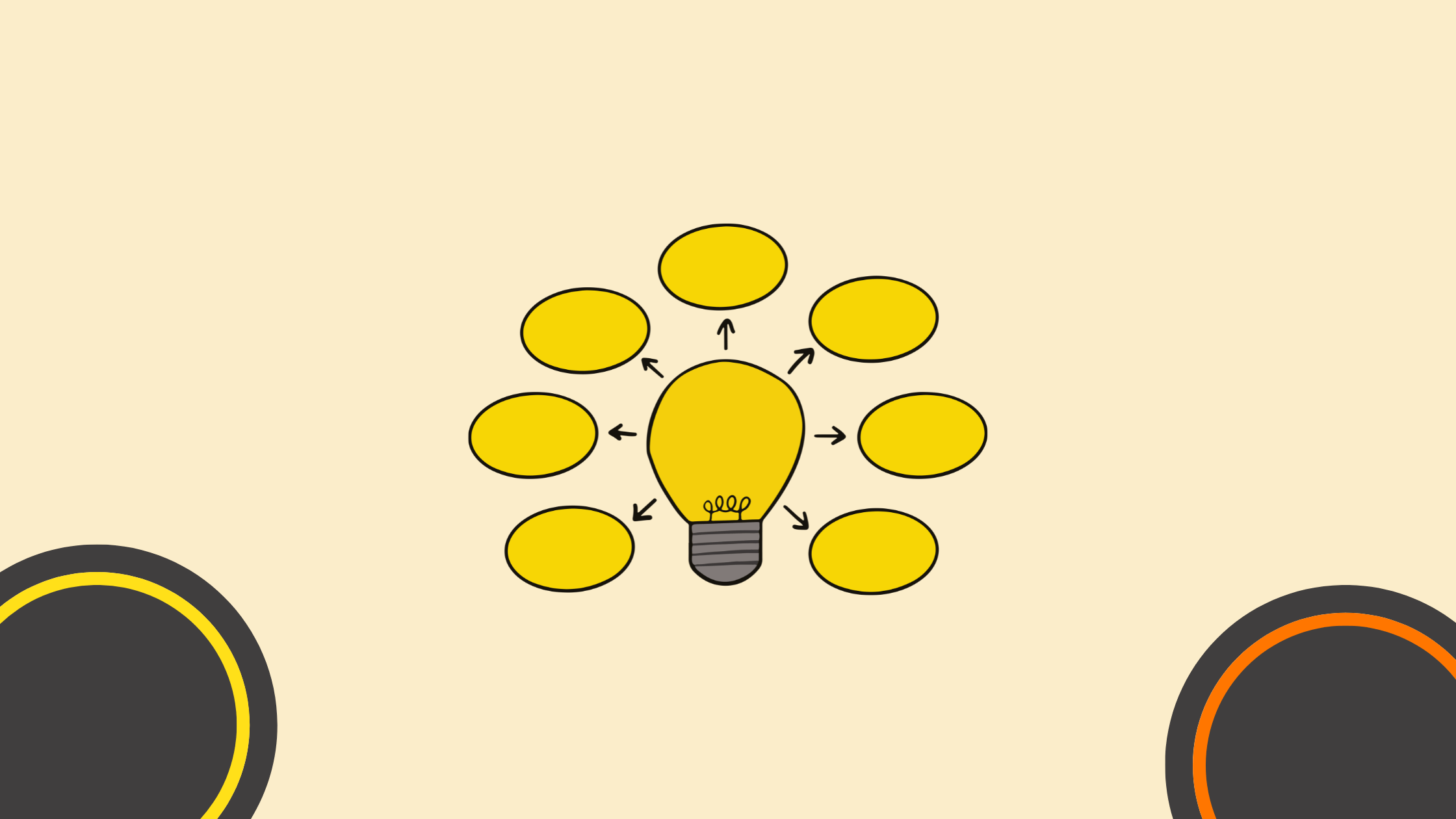
You can adapt this process to almost any digital mind mapping tool.
Step 1: Set your central idea
Drop your story concept or core content topic in the center of the canvas.
Example: “Post-apocalyptic road trip”, “Email onboarding series”, or “Brand origin story”.
Step 2: Add your main branches
Common first-level branches for storylines:
- Characters
- Setting / world
- Timeline / acts
- Conflict & stakes
- Theme
- Key scenes / chapters
This mirrors advice from story-mapping guides: get the big pieces visible first.
Step 3: Expand each branch with details
For example:
Characters → Protagonist →
Goal, flaw, backstory, relationships, transformation
Conflict & stakes → External conflict →
Main antagonist, obstacles, ticking clock
Key scenes → Act 1 →
Opening image, inciting incident, first turning point
You do not have to fill everything in one go; the map grows with each brainstorming pass.
Step 4: Draw connections
Use lines and labels to show:
How one character affects another’s arc
Where subplots intersect the main plot
How a theme is expressed in multiple scenes
This is where mind maps shine compared to lists: you see relationships instantly.
Step 5: Trim, group, and prioritise
Once you have lots of ideas on the board:
Group related branches
Mark “must have” vs “nice to have” scenes
Remove ideas that do not support the core story
You end up with a tighter, more focused storyline before opening your script or document.
Story Structures You Can Map (With Examples)
You can map almost any structure, but here are a few that work especially well digitally.
1. Three-act structure
Branches:
Act I – Setup
Act II – Confrontation
Act III – Resolution
Under each, add:
Key plot points
Character beats
Setting changes
2. Hero’s journey
Branches:
Ordinary world
Call to adventure
Trials and allies
Ordeal
Reward and return
Under each branch, detail which scenes and characters hit that beat.
3. Multi-POV or ensemble stories
Branches:
Character A storyline
Character B storyline
Character C storyline
Then:
Add sub-branches for each character’s scenes
Draw connections where their paths cross
Check that each thread has a clear beginning, middle, and end
4. Content series / campaigns
For content marketers:
Central idea: campaign theme or pillar topic
Branches: blog series, emails, videos, social posts, lead magnets
Sub-branches: angles, hooks, CTAs, distribution channels
This helps you see your content as one coherent story instead of disconnected posts.
Paper vs Digital Mind Mapping For Storytellers
Here is a quick comparison you can add as a skim-friendly section.
Paper mind maps
Great for fast, tactile sketching
Encourages free drawing and doodles, which some people find more creatively stimulating
Limited space and harder to rearrange large structures
Digital mind maps
Infinite canvas; easy to zoom, reorganise, and duplicate versions
Collaboration features (comments, real-time editing, voting)
Easy to attach links, images, and notes
Often include templates tailored to story planning or content creation
Most writers end up using both: sketching initial ideas on paper, then moving to digital once the story or content plan grows and needs structure.
From Mind Map To Outline To Draft (With StoryLab.ai)
A mind map is a great thinking tool, but you still need a readable outline and, eventually, a draft. Here is a simple workflow.
Export or summarise branches
Turn each main branch (Act I, Act II, Act III, for example) into a heading.
Under each, list the scenes or content pieces as bullet points.
Feed that into StoryLab.ai
Paste your exported outline or a text version of your map.
Ask for:
- A cleaned-up chapter/scene outline
- Logline and short synopsis
- Variations of key scenes or content angles
- Refine structure
Use StoryLab.ai to strengthen transitions, raise stakes, or tighten pacing.
Check that every scene connects back to the character arc or marketing goal.
Draft in your own voice
Use AI suggestions as scaffolding, not as final copy.
Rewrite dialogue and descriptions so they sound like you (or your brand).
Loop back to the map when stuck
If a scene feels wrong, return to the map and adjust branches instead of getting lost in the draft.
This way, your digital mind map stays the “control center” of the story, and StoryLab.ai helps you move from structured idea to finished text more quickly.
FAQ
What is a story mind map?
A story mind map is a visual plan of your narrative. You put the central idea in the middle, then branch out into characters, setting, conflicts, major scenes, and themes. It shows how all parts of the story connect, which makes planning and revising much easier than working in a linear document alone.
Does digital mind mapping really improve writing, or is it just another tool?
Multiple studies on digital mind mapping and narrative writing report better organisation, richer ideas, and improved writing performance compared to traditional planning methods. It helps writers visualise relationships, overcome blocks, and revise more actively.
You still have to do the creative work, but the tool makes that work more structured and less overwhelming.
Which branches should I always include in a story mind map?
For most stories, start with:
- Characters
- Setting / world
- Conflict & stakes
- Timeline / acts
- Key scenes
- Theme
You can add more (subplots, symbols, B-story, marketing angles) as needed, but these basics keep your story anchored.
Is digital better than paper for mind mapping?
It depends on your style. Paper can feel more immediate and tactile. Digital tools make it easier to collaborate, rearrange, expand large stories, and attach research or images. Many writers sketch first on paper, then rebuild or refine the map digitally as the project grows.
What tools can I use for digital mind mapping?
Popular options include general-purpose mind mapping tools (like Miro, MindNode, MindMeister, Xmind and similar apps) and AI-assisted mind map builders. They offer drag-and-drop branches, templates, collaboration, and export options, which are handy for writers and content teams.
How do I move from a mind map to a traditional outline?
Export your map as text or manually rewrite it:
- Turn main branches into headings (acts, parts, or sections).
- Turn sub-branches into bullet points for scenes or beats.
- Reorder points until the story flows.
From there, you can draft in your writing tool of choice, referring back to the map whenever you want to explore alternatives or keep the big picture in view.
Where does StoryLab.ai fit into this process?
StoryLab.ai works best alongside your map:
- Turning messy branches into clean outlines and synopses
- Helping you draft scene descriptions, dialogue, or campaign copy based on your map
- Generating alternative angles when a story beat or content idea feels flat
The mind map gives you clarity and structure; StoryLab.ai helps you turn that structure into words faster.
What is digital mind mapping for storytelling?
Digital mind mapping is the practice of using software tools to visually organize ideas, plot points, character relationships, and themes when building a narrative or storyline.
How does digital mind mapping improve story planning?
It helps writers organize complex structures, spot plot gaps, track character arcs, and brainstorm more efficiently by placing everything visually on one canvas.
What types of tools support digital mind mapping?
Tools include visual diagram apps, AI‑assisted story planners, virtual whiteboards, and digital sketch pads designed to support branching ideas, timelines, or character webs.
How does AI enhance digital mind mapping?
AI can suggest characters, plot twists, setting ideas, or dialogue connections based on themes or genre prompts and help refine or reorganize maps for clarity.
What elements belong in a storytelling mind map?
Places often include main characters, subplots, conflict arcs, setting timelines, emotional beats, turning points, themes, and pacing notes visually linked together.
Can teams collaborate using mind mapping tools?
Yes these tools often support real‑time collaboration, shared editing, comments, version tracking, and central visualization to align multiple creators.
How do writers convert mind map ideas into written stories?
Writers break maps into narrative sections, follow visual flows, structure chapters or scenes based on branches, and refine the outline into a cohesive draft.
What benefits does mind mapping bring to fiction writing?
It supports non‑linear thinking, helps in weaving multiple character arcs, enhances creativity by making connections visible and supports faster iteration of ideas.
Is digital mind mapping useful for non‑fiction storytelling too?
Absolutely. It works well for structuring articles, reports, case studies, educational content, brand storytelling, and content marketing outlines.
How does mind mapping support pacing and structure?
By visualizing sequence and hierarchy you can adjust the pacing, reorder scenes, balance story arcs, and manage rising tension or thematic flow.
Can digital maps show character relationships?
Yes. You can map connections between characters, their motivations, conflicts, and development arcs visually to maintain consistency as the story unfolds.
How does mapping themes enhance storytelling?
Visualizing recurring themes helps ensure they appear at key moments, reinforce meaning, and create deeper narrative resonance.
How do teams use mind maps during story workshops?
Teams can collaborate on map drafts, workshop ideas live, add notes or feedback, explore alternate directions, and visualize group consensus around story direction.
Does mind mapping support story revision?
Yes. You can adjust branches, reorganize scenes, merge or split plots, and iterate quickly without losing the big picture structure.
What features should writers look for in mind mapping tools?
Look for drag and drop capabilities, AI suggestions, tagging, timeline views, export options, version history, collaboration features and customizable visual styles.
How does AI help refine story pacing with mind maps?
It can propose adjustments to scene order, highlight pacing gaps, suggest emotional arcs, and help balance action with exposition based on narrative flow.
Can mind mapping support multiple storylines in one project?
Yes. Digital maps let you organize separate threads, color code arcs, connect intersecting plot lines, and keep complex narratives clear and manageable.
What are the creative benefits for writers using digital mind mapping?
It encourages lateral thinking, discovery of hidden connections, dynamic editing, and greater control over story complexity and structure.
How do writers begin using mind mapping for a story?
Start with a core concept, add characters and plot points, draw branching relationships, experiment with flow, incorporate AI ideas, and then build that outline into prose.
How does mind mapping aid in team-based story creation?
Mind mapping keeps everyone on the same page visually, helps align plot logic across contributors, and fosters stronger collaboration during story development.
Other Interesting Articles
- AI LinkedIn Post Generator
- Gardening YouTube Video Idea Examples
- AI Agents for Gardening Companies
- Top AI Art Styles
- Pest Control YouTube Video Idea Examples
- Automotive Social Media Content Ideas
- AI Agent for Plumbing Business
- Plumber YouTube Video Idea Examples
- AI Agents for Pest Control Companies
- Electrician YouTube Video Idea Examples
- AI Agent for Electricians
- How Pest Control Companies Can Get More Leads
- AI Google Ads for Home Services
- Best AI Video Generator Platforms
Master the Art of Video Marketing
AI-Powered Tools to Ideate, Optimize, and Amplify!
- Spark Creativity: Unleash the most effective video ideas, scripts, and engaging hooks with our AI Generators.
- Optimize Instantly: Elevate your YouTube presence by optimizing video Titles, Descriptions, and Tags in seconds.
- Amplify Your Reach: Effortlessly craft social media, email, and ad copy to maximize your video’s impact.