
Downsizing Your Office? Don’t Forget Your Digital Backup Plan

A marketing firm in the Loop cut its office footprint in half last year, moved from four floors to two, and spent three weeks meticulously planning which desks, filing cabinets, and conference tables would make the move. Nobody spent three minutes thinking about the on-premise server sitting in a closet on floor three, the one running backups for accounting software nobody had touched since 2019. It got unplugged during the move, boxed up, and forgotten for six weeks. When someone finally needed a file from it, the server wouldn’t boot.
Office downsizing gets treated as a physical problem, mostly because the physical parts are the ones you can see and touch. Desks, chairs, the good coffee machine everyone fights over. The digital side of a downsize, the servers, the local backups, the file structures built around an office that no longer exists in the same form, gets almost no attention until something breaks.
Chapters
Physical Downsizing Forces Decisions You Didn’t Know You Needed to Make
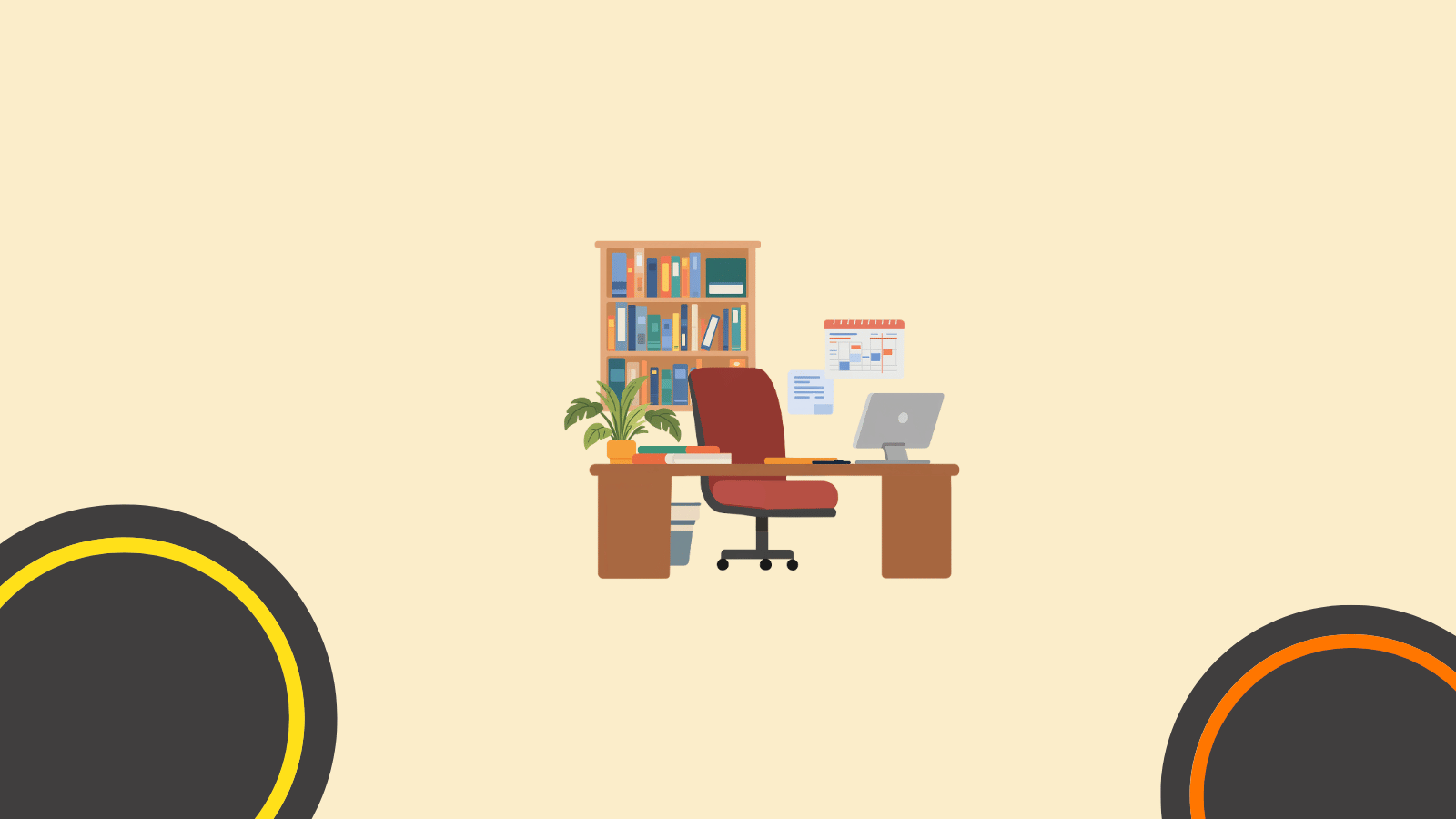
Moving from a bigger space to a smaller one means confronting equipment that’s been sitting untouched for years. Old desktop towers under desks. A backup drive plugged into a printer nobody uses anymore. None of it looks important day to day, right up until the move happens and someone has to decide, quickly, what gets kept, what gets stored, and what gets tossed.
Companies going through this in Chicago often start by figuring out finding self storage units in Chicago for the furniture and files that don’t fit the new footprint but still need to exist somewhere, whether for legal retention requirements or just because nobody wants to be the person who authorized shredding client contracts. That part of the process is fairly intuitive. Everyone understands boxes and square footage.
What trips companies up is the equipment sitting inside those boxes. A server, an external drive, a NAS device tucked in a closet, these don’t behave like furniture. They can’t sit in storage for six months and come out working exactly as they were. Hardware degrades.
Drives fail from disuse as easily as overuse. And if that hardware was the only backup for financial records or client data, putting it in storage without a plan is a real risk, not a hypothetical one.
The Backup Question Almost Nobody Asks Before the Move
Here’s the uncomfortable truth: a lot of small and mid-sized offices are still running critical backups on local hardware, the kind that lives in a closet or under a desk, and most of them
don’t realize how exposed that makes them until a move forces the issue. A downsize is actually the right moment to fix this, because the alternative, moving fragile hardware and hoping it still works on the other side, is worse than doing nothing.
This is where comparing enterprise cloud backup tools becomes less of an IT afterthought and more of a genuine business decision. Moving backups off physical hardware and into a cloud system means the move itself stops being a risk to data continuity.
It also means the next office change, and there’s always a next one, doesn’t come with the same hidden danger. Companies that make this switch during a downsize almost always say the same thing afterward: they wish they’d done it years earlier, not because of the move, but because local backups were quietly fragile the whole time.
The switch isn’t instant. Migrating years of accumulated files, some of them poorly organized, some of them duplicated across three different drives, takes real time and usually surfaces a mess nobody wanted to deal with. But doing that work during a downsize, when everything’s already being reassessed anyway, is far less painful than doing it as a separate project six months later.
What Gets Left Behind When Nobody Owns This
Downsizes tend to have a clear owner for the physical move, usually facilities or an office manager, and a much less clear owner for the digital side. IT gets looped in late, often after decisions about what equipment to keep or discard have already been made by people without the context to make that call. This gap is where things get lost, unplugged, or damaged in ways that don’t show up until weeks later.
Assigning someone specifically to the technology side of the move, even if it’s just one person spending a few hours confirming what’s backed up where, prevents most of the problems that surface after the fact. It sounds like a small step. It’s the step that gets skipped constantly.
The Real Cost of Treating This as an Afterthought
Companies rarely regret downsizing their office space. They regret discovering, months later, that something important didn’t survive the transition, whether that’s a physical file box that went missing or a backup system that quietly stopped protecting anything the day the server got unplugged. The lesson from firms that have been through this isn’t complicated. It’s just consistently ignored until it isn’t.
Other Interesting Articles
- AI LinkedIn Post Generator
- Gardening YouTube Video Idea Examples
- AI Agents for Gardening Companies
- Top AI Art Styles
- Pest Control YouTube Video Idea Examples
- Automotive Social Media Content Ideas
- Plumber YouTube Video Idea Examples
- AI Agents for Pest Control Companies
- Electrician YouTube Video Idea Examples
- How Pest Control Companies Can Get More Leads
- AI Google Ads for Home Services
- 60-Second Training Videos Are the New Corporate Standard
- Cybersecurity PR Pricing: Retainers, Deliverables & ROI
- Best AI Tools for Product Consistency in E-Commerce Video
Master the Art of Video Marketing
AI-Powered Tools to Ideate, Optimize, and Amplify!
- Spark Creativity: Unleash the most effective video ideas, scripts, and engaging hooks with our AI Generators.
- Optimize Instantly: Elevate your YouTube presence by optimizing video Titles, Descriptions, and Tags in seconds.
- Amplify Your Reach: Effortlessly craft social media, email, and ad copy to maximize your video’s impact.