
How To Reduce Empty Miles In Freight Transportation Networks
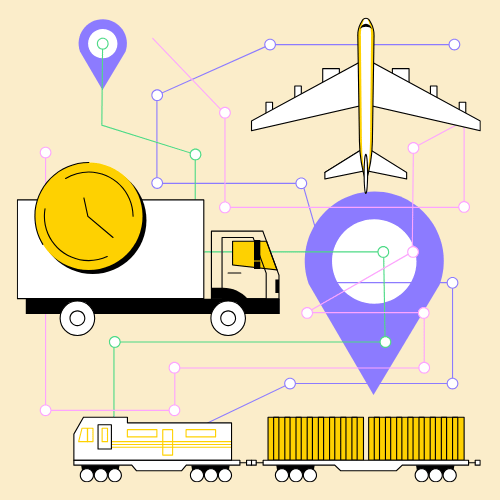
Trucks move across roads every day with no load inside. Fuel expenses rise when vehicles run without goods aboard. Driver output drops if long stretches go unused each trip. Emissions grow higher even though nothing gets delivered during such runs.
Logistics teams focus closely on cutting these unproductive distances. Efficiency gains often follow when fewer trips happen in vain. Coordination among loads must deepen to make progress.
Planning systems need refinement for sharper results. Partners along the supply path find success through closer alignment.
Chapters
Empty Miles In Freight Explained

Most wasted trips happen after a driver drops off freight without another job lined up. Because transport networks lack coordination, trucks frequently move without cargo. When one region needs many deliveries while another has few, imbalances grow. Without balanced flows, empty runs become routine.
Poor visibility within transport systems creates further issues. Without immediate access to shipment status, vehicles often head back toward central locations or starting zones carrying less than full loads. Over extended operations, these small gaps multiply. Gradual financial loss follows as fleet scale increases.
Smarter Ways To Combine Loads
Empty miles drop when small loads merge onto shared paths. Full trucks move out, then back, without wasted space. One carrier handles what once took several separate runs. Coordination across sending parties makes it possible. Timing adjusts to fit cargo size and truck limits. Systems align movement with available room. Shared routes emerge from updated planning tools.
Efficiency in advanced consolidation relies heavily on adaptable storage solutions along with strategic cross docking. With items positioned at optimal points, shipment grouping becomes faster – avoiding unwelcome pauses in movement. Less waiting means vehicles depart hubs ready for pre-scheduled follow-up tasks instead of sitting empty.
Improving How Routes Are Planned And Data Is Used

Empty miles drop when today’s routing software steps in. With forecasts paired to live road conditions, deliveries move smarter across networks. Efficiency grows because paths avoid wasted motion through sharper decisions. Hidden chances for return cargo appear where human eyes overlook them.
Just as vital is combining data between different systems. With links formed between shipping controls and stock tracking setups, scheduling staff see more accurately when cargo space exists. Firms using 3PL Toronto commonly experience these advantages since outside providers typically tap larger transport webs alongside smarter pathfinding methods, cutting down empty runs. What matters most shows up clearly only after connections take shape across operational layers.
Partnerships And Backhaul Opportunities
Shared operations among carriers, suppliers, and distributors cut down on unused travel distance. When shipments move through combined networks, loading patterns adjust naturally across directions. Instead of returning with idle space, vehicles carry goods for different firms along similar routes. Efficiency rises simply because motion replaces stillness in logistics loops.
Carriers often face wasted trips when vehicles go back unloaded. Yet filling those return journeys becomes possible via freight platforms or ongoing contracts. While coordination demands steady dialogue, mutual confidence grows over time. Efficiency improves where collaboration exists. Empty miles shrink once shared planning takes hold. Balanced flows emerge not by chance, but through repeated cooperation. Cost reductions follow naturally from fuller utilization.
Improving Freight System Efficiency
Empty miles decline when logistics systems grow more linked through shared data. Where firms adopt tracking technology, group shipments wisely, or join forces across supply chains, vehicle usage rises. Gradually, higher efficiency brings down expenses while easing environmental impact. Though progress takes patience, smarter coordination reshapes how goods move.
When systems grow intricate, smooth operation relies upon collaboration among various parties. With technology matched to daily workflows while alliances gain stability, movement pathways lose unnecessary mileage yet function better over time. Complexity rises, yet outcomes sharpen when tools fit tasks alongside trusted cooperation.
Other Interesting Articles
- AI LinkedIn Post Generator
- Gardening YouTube Video Idea Examples
- AI Agents for Gardening Companies
- Top AI Art Styles
- Pest Control YouTube Video Idea Examples
- Automotive Social Media Content Ideas
- Plumber YouTube Video Idea Examples
- AI Agents for Pest Control Companies
- Electrician YouTube Video Idea Examples
- How Pest Control Companies Can Get More Leads
- AI Google Ads for Home Services
- 60-Second Training Videos Are the New Corporate Standard
Master the Art of Video Marketing
AI-Powered Tools to Ideate, Optimize, and Amplify!
- Spark Creativity: Unleash the most effective video ideas, scripts, and engaging hooks with our AI Generators.
- Optimize Instantly: Elevate your YouTube presence by optimizing video Titles, Descriptions, and Tags in seconds.
- Amplify Your Reach: Effortlessly craft social media, email, and ad copy to maximize your video’s impact.