
Top Cold Email Platforms for Growing Agencies

Agencies don’t need more tabs, what they need is more replies. When you’re running cold outreach across multiple client domains, the challenges are always the same: onboarding senders, protecting deliverability, and iterating on sequences without breaking what works.
The eight platforms below were chosen with those realities in mind, and cross-checked against industry data for substance over hype.
Chapters
Instantly
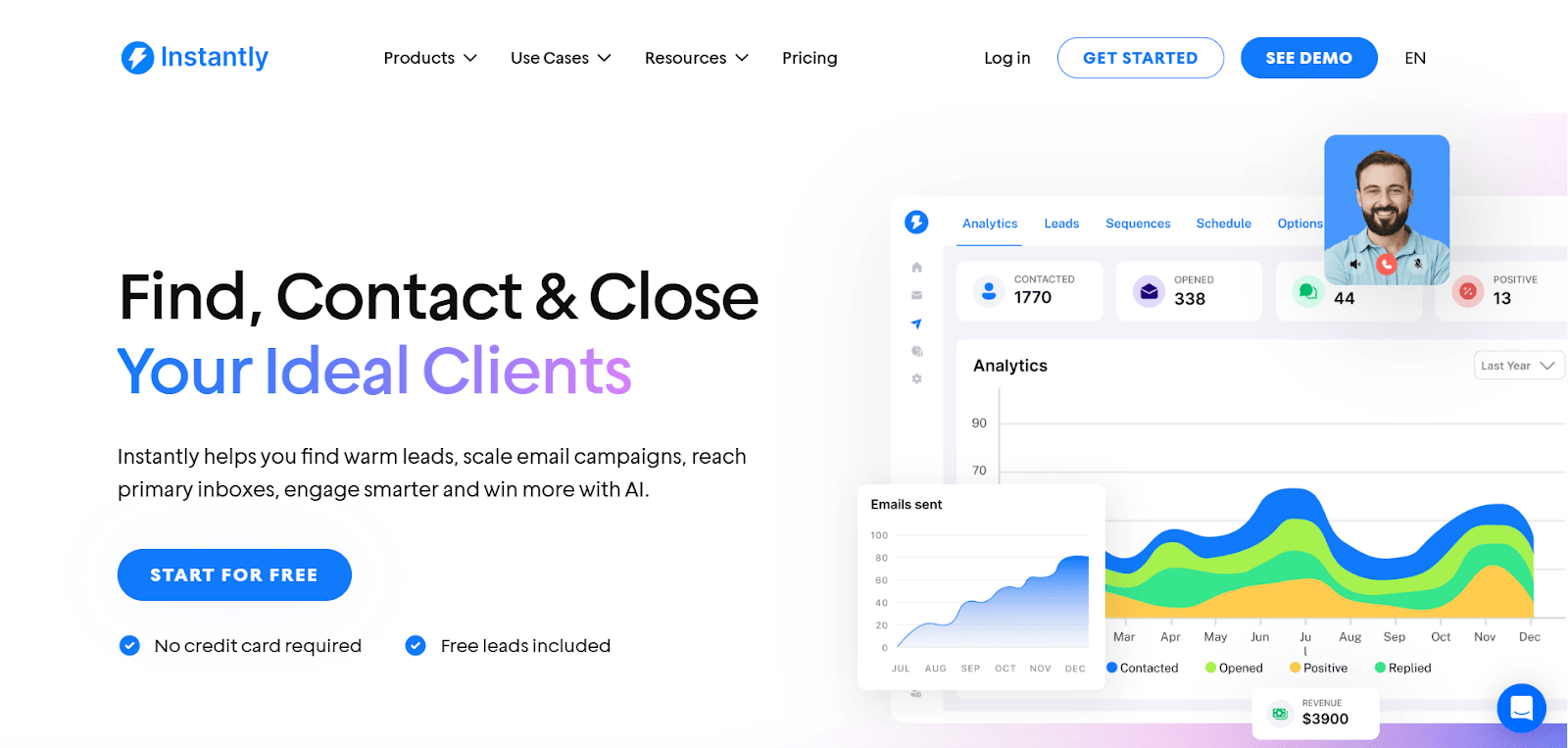
Instantly is simply made for a multi-client scale. You can connect unlimited mailboxes, rotate sending across them, and even buy sending domains directly in the platform, so DNS setup doesn’t slow down new client launches. Plus, the built-in database of over 450 million verified contacts means agencies can build prospect lists without subscribing to separate lead databases.
What stands out:
- Unlimited email accounts with automatic rotation.
- Purchase domains inside Instantly, with MX, SPF, DKIM, DMARC set up for you.
- Deliverability-optimized accounts can be provisioned and added within 24-72 hours.
Where it excels for agencies:
- Scale safely with inbox rotation and unlimited mailboxes.
- Faster client onboarding via built-in domain purchase + setup.
- Centralized management when you’re juggling many brands.
Saleshandy
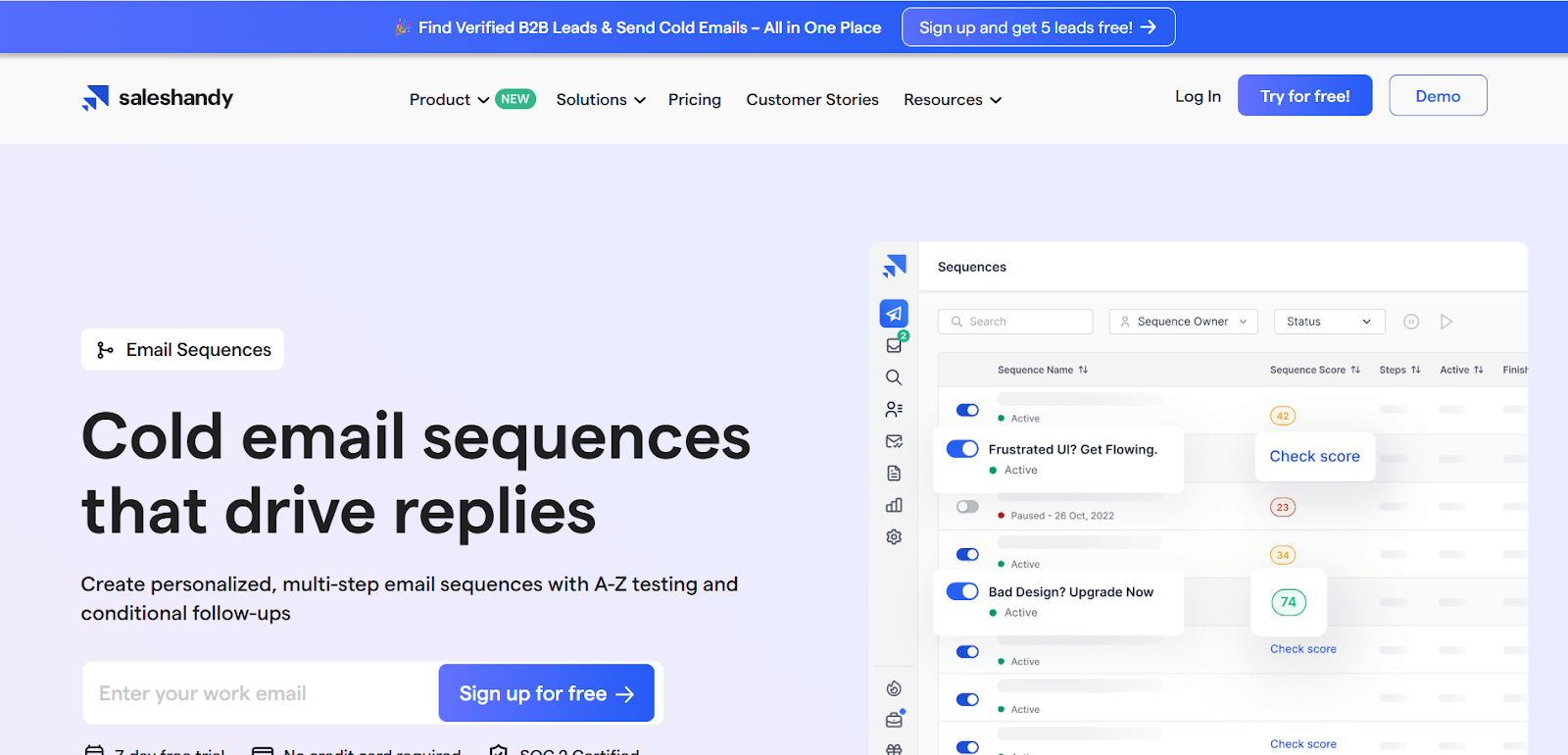
Saleshandy keeps reply work human and centralized. Its Unified Inbox pulls responses from every connected account, while higher tiers allow unlimited email accounts so you can scale volume without managing licenses.
What stands out:
- Unified Inbox for all replies in one place.
- Sync unlimited accounts from multiple providers.
- Automate sequences with deliverability-minded controls.
Bottom line: Great choice when your agency wants a big sending capacity and one desk for replies.
Maildoso

Maildoso focuses on simplifying the technical side of outbound email by rapidly provisioning authenticated domains and mailboxes for agency use. Instead of wrestling with DNS setup and deliverability basics, teams can spin up multiple sending domains and SMTP or Google Workspace accounts and connect them to their outreach tools in minutes.
What stands out:
- Quick creation of authenticated sending domains with SPF, DKIM, and DMARC.
- Unlimited mailbox setup with rotation capability for safer scale.
- Designed to integrate easily with popular cold email sequencers and CRMs.
Bottom line: A strong choice for agencies that want scalable, deliverability‑ready email infrastructure without the manual domain and inbox configuration headaches.
Mailshake

Mailshake puts email with phone and social outreach in one workflow, so your reps can focus on prospects instead of managing multiple tools. You can build sequences that actually convert, track which messages work, and test different versions to see what makes prospects respond.
What stands out:
- Multichannel sales engagement, not just email.
- Browser-based phone dialer for outbound calls.
- Reporting built for day-to-day team management.
Bottom line: This is the best platform for when your strategy combines calls and social with email.
Reply.io
When email alone isn’t enough, Reply.io combines channels with multichannel conditional sequences: email, LinkedIn, calls, SMS, and even WhatsApp. The sequences branch based on behavior, so prospects move down the best path for engagement.
What stands out:
- Email, LinkedIn, SMS, WhatsApp, and calls in one flow.
- Conditional branching adapts to prospect actions.
- Templates and workflows to keep teams consistent.
Bottom line: It helps you reach buyers across multiple channels without launching extra tools.
Close
Close integrates outreach into the CRM, so ops, reporting, and sending work together seamlessly. Workflows cover email, SMS, and tasks, while email sequences and reporting stay native, eliminating the need to constantly switch between platforms.
What stands out:
- Send, track, and automate from the CRM itself.
- Email sequences plus multi-channel workflows.
- Benchmarks and guides to standardize best practices.
Bottom line: Use Close when clients expect pipeline truth and outreach in one place.
GMass
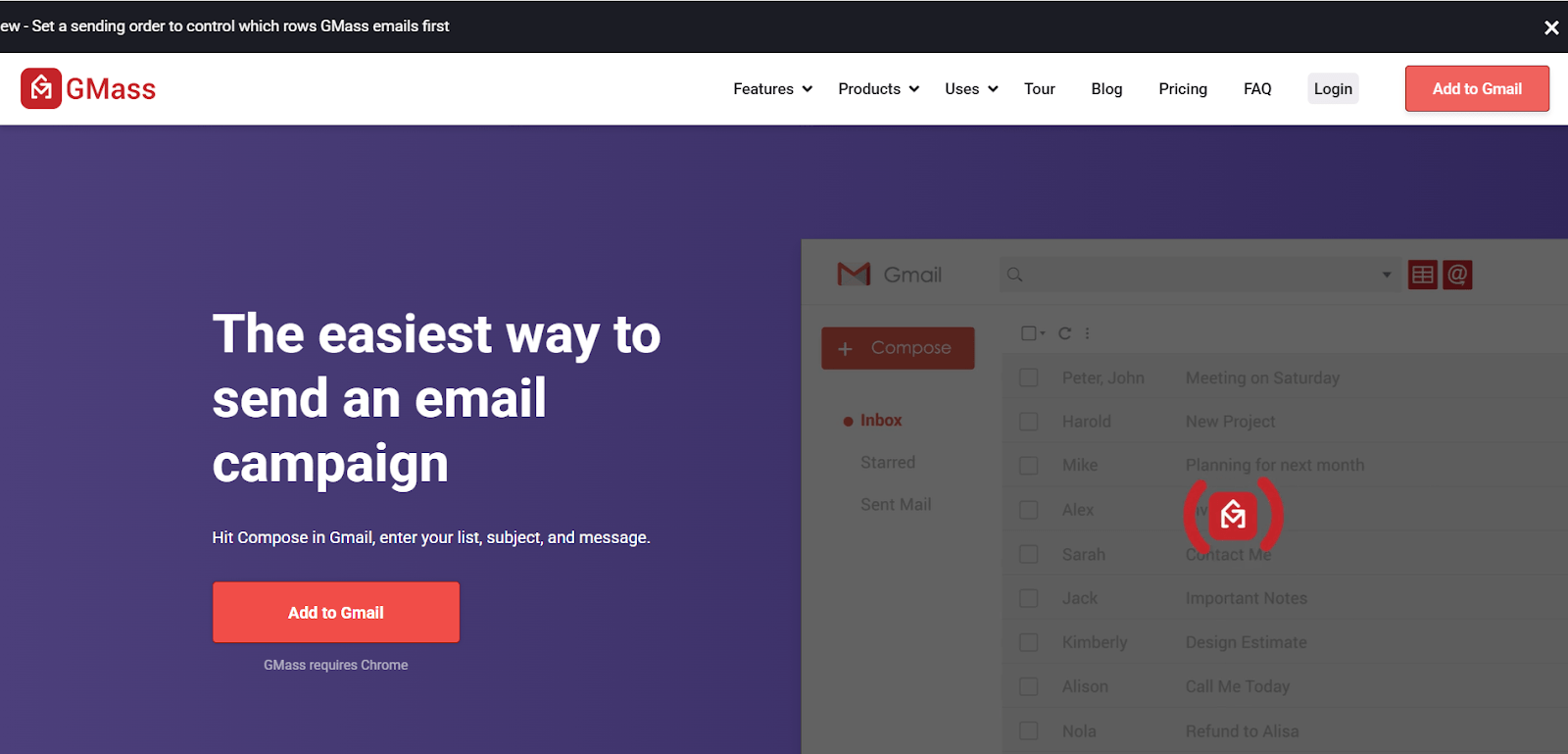
GMass works directly inside Gmail, which makes it perfect for quick tests and sending from client-branded accounts. You can set up automated follow-ups and keep running until someone replies, opens, or clicks. The mail-merge setup is simple enough that most teams figure it out in minutes.
What stands out:
- Native Gmail experience via a simple button in your compose window.
- Behavior-based auto follow-ups until a stop condition.
- Easy ramp for non-specialist users.
Bottom line: This is an ideal tool for rapid testing and smaller programs that still need automation.
Apollo
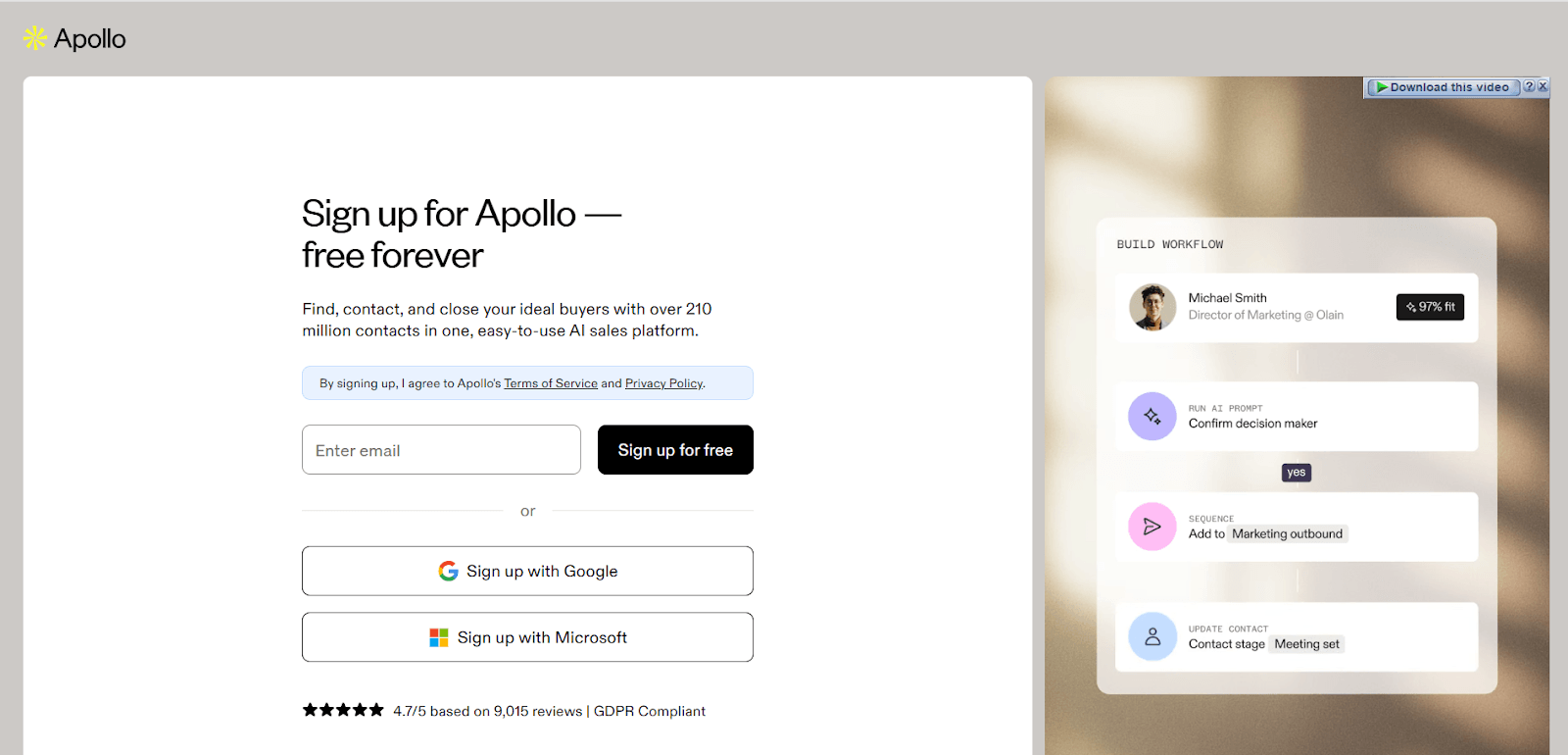
Apollo pairs a large B2B database with solid sequencing, so list-building and outreach happen in the same platform. You can run A/B tests inside sequences and add LinkedIn tasks without a Sales Navigator subscription.
What stands out:
- Sequence A/B testing to refine messaging.
- LinkedIn tasks embedded in your cadence.
- Prospecting and outreach with fewer moving parts.
Bottom line: Apollo is a good option when your team sources, enriches, and emails in one platform.
Snov.io
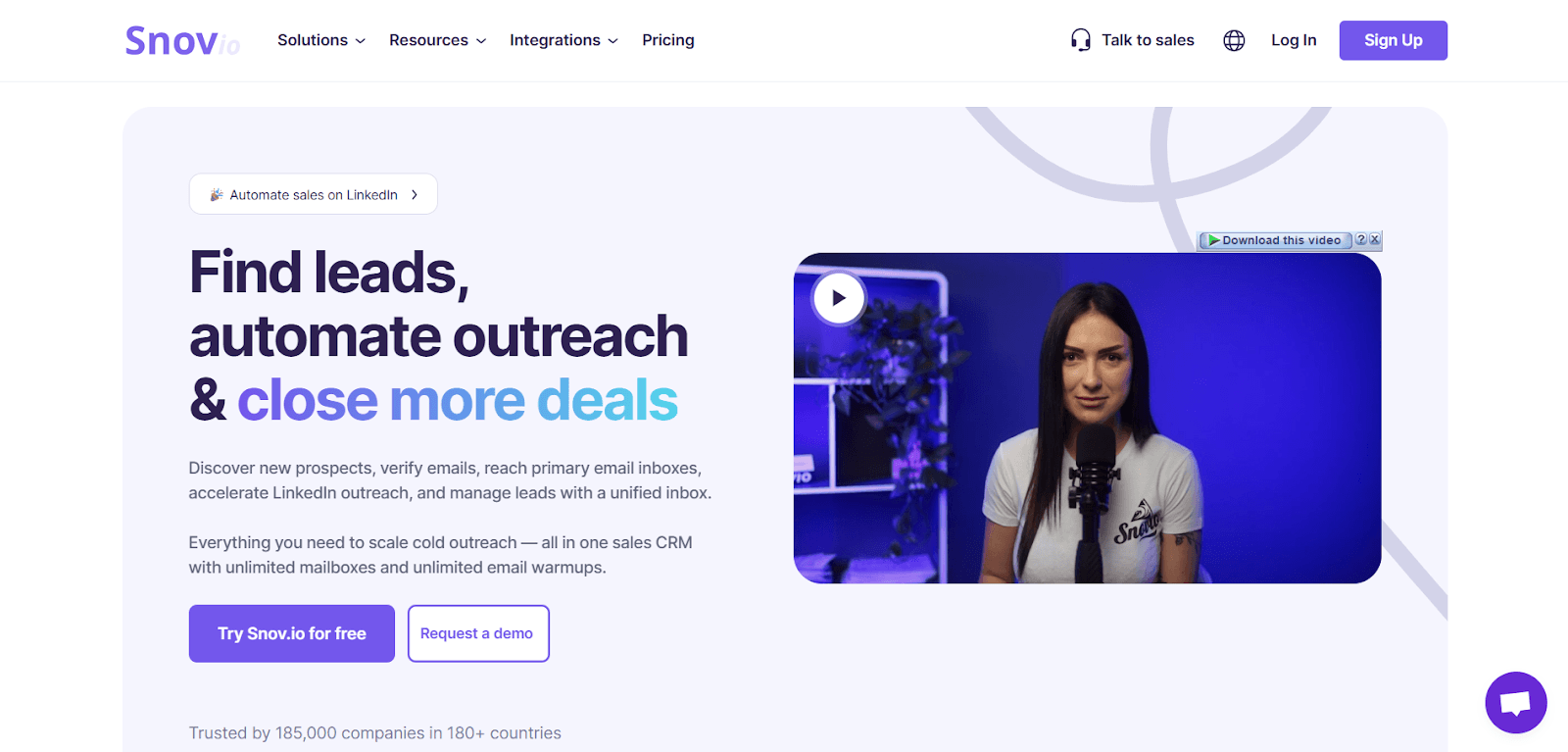
Snov.io offers rotation-led scale so you can raise daily volume safely. It supports unlimited connected sender accounts and true mailbox rotation, plus straightforward drip campaigns and multichannel steps.
What stands out:
- Connect an unlimited number of sender accounts.
- Mailbox rotation to distribute sends and protect reputation.
- Clear drip-campaign builder with stats.
Bottom line: A dependable way to scale across brands without risking deliverability.
How Agencies Should Choose a Cold Email Platform
The best cold email platform for an agency is not always the one with the most features. It is the one that fits how the agency actually works. Teams managing multiple clients usually need deliverability controls, mailbox management, centralized inboxes, reporting, and ways to separate client operations cleanly. Official product pages from Smartlead, Mailshake, and Woodpecker all emphasize parts of that stack, including multi-mailbox workflows, multi-channel outreach, and agency-focused management features.
| Selection Factor | Why It Matters for Agencies |
|---|---|
| Mailbox Management | Agencies often run outreach across multiple domains and inboxes |
| Deliverability Tools | Warm-up, authentication, and monitoring help protect client results |
| Client Separation | Keeps campaigns, reporting, and workflows easier to manage |
| Centralized Replies | Reduces missed responses and simplifies team operations |
| Automation | Helps scale outreach without adding manual work |
A growing agency should also think beyond first-month convenience. A platform that works for one or two clients may start to break down once inbox counts, reply handling, and deliverability monitoring become more complex. That is why scalability matters as much as ease of use.
Cold Email Deliverability Matters More Than Feature Lists
A cold email platform can look impressive on paper and still underperform if deliverability is weak. For agencies, this matters even more because one poor setup can affect client trust and campaign performance. Google’s sender guidelines require authentication, and bulk senders must have SPF, DKIM, and DMARC configured. Google also says authenticated mail is less likely to be rejected or marked as spam.
That is why many agency-focused platforms now highlight warm-up, deliverability monitoring, and technical setup support. Smartlead says it offers unlimited mailboxes and automated warmup, Woodpecker highlights free warm-up and preconfigured SPF, DKIM, and DMARC on purchased domains and emails, and lemlist’s lemwarm focuses on warming up inboxes and monitoring deliverability health.
| Deliverability Element | Why It Helps |
|---|---|
| SPF, DKIM, DMARC | Supports authentication and reduces rejection risk |
| Warm-up | Builds sender reputation gradually |
| Dedicated Sending Domains | Helps isolate outreach from the main brand domain |
| Email Verification | Reduces bounce risk from invalid addresses |
| Monitoring | Helps spot issues before campaign performance drops |
For agencies, deliverability is not a side feature. It is the foundation the rest of the outreach system sits on.
Best Cold Email Platform Features for Multi-Client Agencies
Agencies usually have operational needs that go beyond simple outreach. They may need to manage several clients at once, split campaigns by offer or market, rotate sending accounts, and monitor replies in one place. Platforms aimed at larger-scale outbound workflows increasingly focus on those needs. Smartlead highlights unlimited mailboxes and a unibox, Mailshake emphasizes email, phone, and social sequences, and Woodpecker specifically mentions a dedicated agency panel.
| Feature | Why Agencies Care |
|---|---|
| Unified Inbox | Keeps reply management simpler across campaigns |
| Unlimited or High Mailbox Capacity | Supports scaling outreach safely |
| Agency Dashboard | Makes client management easier |
| Multichannel Sequences | Supports broader outreach workflows |
| Campaign Analytics | Helps report on client performance |
This is one reason agency buyers often compare cold email tools with sales engagement platforms. The overlap is growing, especially around automation, analytics, and multi-step prospecting. G2’s sales engagement category also reflects how these tools increasingly compete on workflow depth rather than only email sending.
Why Warm-Up and Domain Setup Are Essential for Agencies
A growing agency cannot treat new inboxes like they are ready to send at full volume on day one. Warm-up and domain setup are now basic operational requirements. Google’s guidelines make authentication mandatory, while several cold email vendors explicitly position warm-up and technical setup as central to inbox placement.
Lemwarm says it helps users adjust SPF, DKIM, DMARC, MX records, and custom tracking domains as part of setup. Mailshake’s deliverability checklist recommends authenticating domains, using dedicated sending domains, and warming up before launch. Woodpecker similarly highlights warm-up, verification, and preconfigured authentication on purchased domains and emails.
| Setup Step | Why It Matters |
|---|---|
| Authenticate the domain | Supports trust with mailbox providers |
| Warm inboxes gradually | Reduces risk when ramping volume |
| Use separate sending domains | Protects the main business domain |
| Verify prospects | Helps reduce bounces |
| Monitor sender health | Improves long-term campaign stability |
For agencies, this is especially important because client campaigns often start from fresh infrastructure. Strong onboarding and warm-up workflows can make the difference between quick wins and a painful recovery project.
Multichannel Outreach vs Pure Cold Email Platforms
Some agencies want a pure cold email platform. Others want something closer to a broader sales engagement system. That choice usually comes down to service model. Mailshake positions itself around multichannel outreach across email, phone, and social, while tools like Smartlead and Woodpecker still center email heavily but also support broader outreach workflows in different ways.
If the agency runs appointment setting, outbound SDR support, or full-funnel lead generation, multichannel features may be more useful. If the agency mainly focuses on cold email deliverability and inbox management at scale, a more email-centric platform can be the better fit. The right answer depends on whether the agency is selling meetings, replies, pipeline support, or a wider outbound service.
| Platform Style | Best Fit |
|---|---|
| Email-First | Agencies focused mainly on cold email performance |
| Multichannel | Agencies combining email with calls and social touches |
| Sales Engagement | Teams needing broader workflow and reporting depth |
Choosing the wrong category can create friction later. A lean cold email tool can feel limiting for a full outbound agency, while a heavier sales engagement system can feel bloated for a deliverability-focused team.
How to Evaluate Cold Email Software for Agency Growth
As agencies grow, platform evaluation should become more structured. The goal is not only to compare pricing, but to assess operational fit, deliverability support, reporting, and client scalability. Review sites like G2 can help with broad market comparison, while official vendor pages are better for confirming actual feature positioning.
| Evaluation Question | Why It Matters |
|---|---|
| Can the platform support multiple mailboxes and domains? | Agencies often scale through distributed sending |
| Does it include warm-up or deliverability tools? | Protects inbox placement |
| Can the team manage replies efficiently? | Improves speed to lead and client outcomes |
| Is there agency-specific workflow support? | Reduces operational friction |
| Will the platform still fit at 10 or 20 clients? | Prevents future migration pain |
Final Thoughts
Stop treating cold email tools like one-time purchases and start building systems that compound results. The smartest agencies run two sender groups per client: one batch for testing new angles, subject lines, and audience segments, and another for proven messages that deserve consistent volume.
Move accounts between groups weekly based on what’s actually working, keep your authentication clean as you add domains, and funnel replies into whatever CRM your team actually uses daily. This approach turns every small win into immediate scale while containing failures before they damage deliverability.
Frequently Asked Questions
What is the best cold email platform for growing agencies?
There is no single best option for every agency. The strongest fit depends on whether the agency needs email-first scaling, multichannel outreach, or broader sales engagement workflows. Smartlead emphasizes unlimited mailboxes and automated warmup, Mailshake focuses on multichannel sales engagement, and Woodpecker highlights agency features such as a dedicated agency panel.
Why is deliverability so important in cold email?
Deliverability determines whether emails reach the inbox instead of spam or rejection. Google’s official sender guidelines require authentication, including SPF or DKIM for all senders and SPF, DKIM, and DMARC for bulk senders, which shows how central technical setup is to email performance.
Do agencies need separate sending domains for cold email?
Using separate sending domains is a common deliverability practice because it helps protect the main business domain and keeps outreach infrastructure isolated. Mailshake’s deliverability checklist explicitly recommends dedicated sending domains before sending cold email at scale.
What features matter most in cold email software for agencies?
The most important features usually include mailbox scaling, warm-up, authentication support, reply management, automation, and reporting. Official product pages from Smartlead, Mailshake, and Woodpecker all emphasize versions of those capabilities, though each platform leans in a slightly different direction.
Is a sales engagement platform the same as a cold email platform?
Not always. Cold email platforms tend to focus more narrowly on sending, deliverability, and sequences, while sales engagement platforms often include broader workflow support across email, phone, social, and analytics. Mailshake’s homepage positions it as a sales engagement and B2B lead platform, while G2 treats sales engagement as a larger software category.
How should agencies evaluate cold email tools before switching?
Agencies should look at deliverability support, scalability, reply handling, reporting, and long-term operational fit. Official vendor pages help confirm capabilities, while review platforms can help compare how tools sit in the market.
Other Interesting Articles
- AI LinkedIn Post Generator
- Gardening YouTube Video Idea Examples
- AI Agents for Gardening Companies
- Top AI Art Styles
- Pest Control YouTube Video Idea Examples
- Automotive Social Media Content Ideas
- Plumber YouTube Video Idea Examples
- AI Agents for Pest Control Companies
- Electrician YouTube Video Idea Examples
- How Pest Control Companies Can Get More Leads
- AI Google Ads for Home Services
- 60-Second Training Videos Are the New Corporate Standard
- Cybersecurity PR Pricing: Retainers, Deliverables & ROI
- Best AI Tools for Product Consistency in E-Commerce Video
Master the Art of Video Marketing
AI-Powered Tools to Ideate, Optimize, and Amplify!
- Spark Creativity: Unleash the most effective video ideas, scripts, and engaging hooks with our AI Generators.
- Optimize Instantly: Elevate your YouTube presence by optimizing video Titles, Descriptions, and Tags in seconds.
- Amplify Your Reach: Effortlessly craft social media, email, and ad copy to maximize your video’s impact.