
Best Marketing ETL Tools for Cleaner Data and Reporting

Marketing teams rarely struggle because they have no data.
They struggle because their data is spread everywhere.
Ad platforms show campaign spend and clicks.
CRM systems show leads and pipeline.
Email tools show opens and clicks.
Analytics platforms show sessions and conversions.
Social platforms show engagement.
Sales systems show revenue.
Customer support tools show complaints, questions, and churn signals.
Individually, each platform tells part of the story.
Together, they can show which campaigns attract the right audience, which channels create qualified leads, which content supports revenue, and where customers drop off.
That is where ETL tools come in.
ETL stands for Extract, Transform, and Load. In simple terms, ETL tools help collect data from different sources, clean and standardize it, then move it into a destination such as a data warehouse, dashboard, spreadsheet, or reporting system. AWS describes ETL as a process that combines data from multiple sources into a large, central repository. Source to link: AWS ETL explanation.
For marketers, this can make reporting more reliable.
Instead of copying numbers manually from different dashboards, teams can build cleaner data pipelines that bring campaign, website, CRM, email, and sales data together.
But the tool alone is not the strategy.
A good marketing ETL workflow needs clear goals, clean source data, consistent naming, privacy awareness, strong ownership, and reports that answer real business questions.
This guide compares five ETL tools for marketing needs and then explains how to choose, prepare, and use ETL workflows more effectively.
Chapters
The Best ETL Tools for Marketers
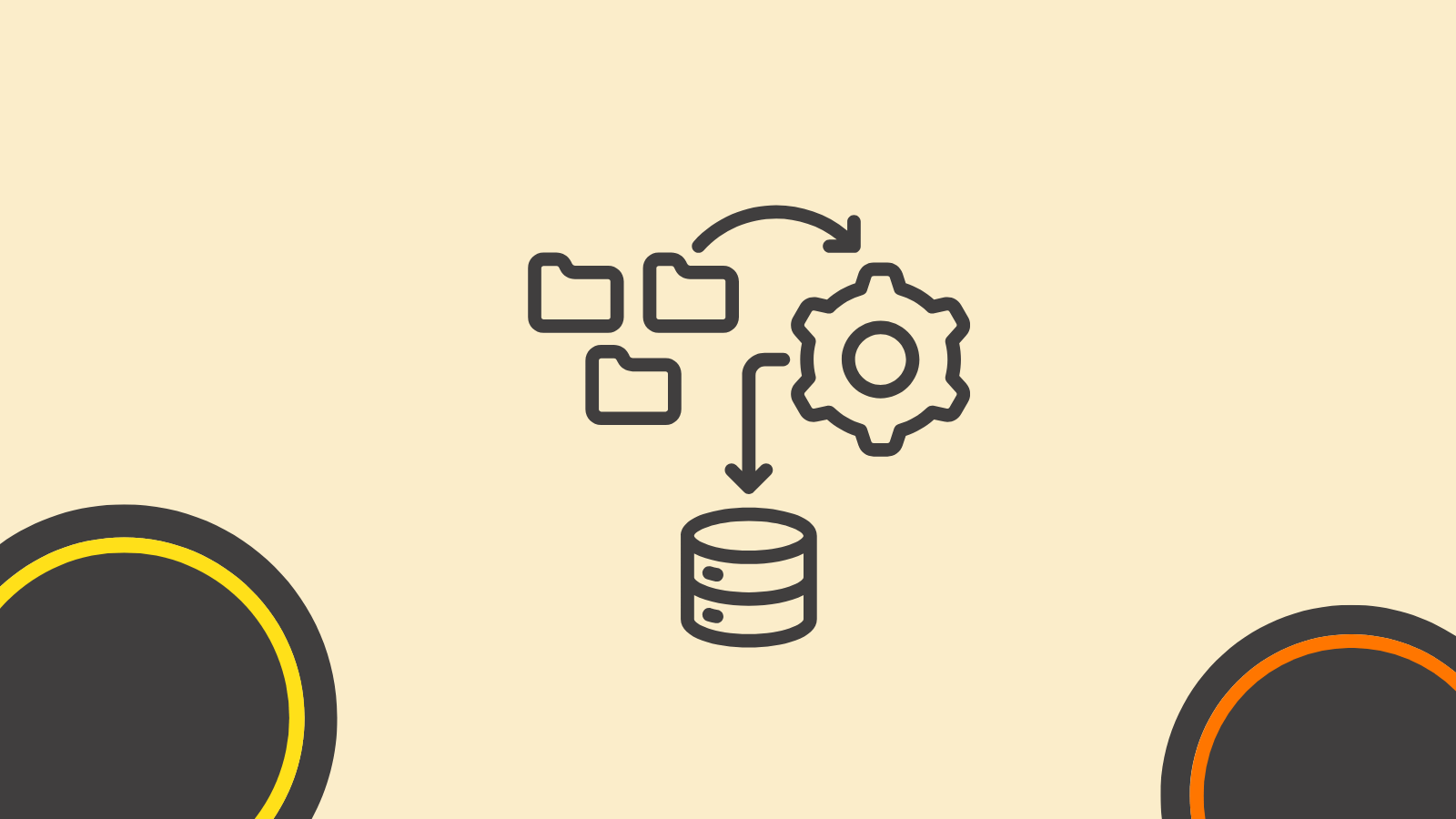
What are the best ETL tools for marketing in 2026? After extensive reviews and explorations, we are ready to present our latest list.
Eney AI assistant
To make Coupler more effective, you can combine it with a powerful AI assistant. In today’s AI world, the importance of having an all-function AI tool is a must. Imagine a tool that can join meetings for you and summarize even the most complex content in seconds and, while doing this, ensures total digital safety.
This is what Mac-specific Eney AI offers to its users. When handling marketing data, you expect the best results. A lot of it depends on how well organized your data is. Let Coupler deliver the data in a spreadsheet and then you should use Eney Mac AI assistant as the intelligent analyst to refine the output.
Its intuitive interface, unlike the other AI agents, understands the context superbly and processes responses in a natural way. Whether you use Coupler or any other ETL tool, this AI assistant should be on your system to help you at every step.
Coupler.io
Coupler.io is a no-code data integration and AI analytics platform that helps marketing teams automate data collection, reporting, and analysis. For example, marketers can use it to connect Facebook ads to BigQuery and keep campaign data updated automatically. Its key features include:
- Access to 400+ data sources across advertising, analytics, CRM, ecommerce, finance, and other business systems.
- Automated data flows with scheduled refreshes and built-in transformation capabilities.
- An AI Agent that can analyze connected data, answer questions in natural language, and surface useful insights.
- Integrations with spreadsheets, BI tools, data warehouses, and AI assistants.
- Pre-built dashboard templates
Coupler.io also offers a free plan, so teams can test its core capabilities before choosing a paid subscription.
Fivetran
Among all enterprise ETL tools, this one is considered the most popular, and for a good reason. Fivetran supports marketing in various ways, with its key features including:
- Access to 700+ sources of information, such as databases and data lakes, SaaS applications, ERPs, etc.
- Pre-built connectors for marketing platforms that make using Fivetran a simple, nearly automatic process.
- Enterprise-level security and scalability features that support businesses regardless of their size.
Fivetran offers a free trial for marketers who aren’t certain about using it. Those who decide to pay can choose between several customer plans: the cost starts at $60 and increases depending on feature volumes and speed of integrations.
Stitch
As the name of this tool implies, you can do multi-source marketing data integration with its help. It supports 130+ sources, offering a wide range of SaaS connectors. Its pricing begins at $100 per month, but you get 2 months of free usage first. It’s ideal for small and average companies; scalability beyond that is unsustainable.
Matillion
This is a great ETL platform for cloud-native marketing, as it works with cloud data warehouses like Snowflake and Redshift. Matillion offers access to 300+ data sources, and its packages have different prices ranging from $100 up to thousands. Whether you’re a small business or an enterprise, you can get all scalable marketing opportunities here.
Talend
Talend also offers a scalable data integration solution by supplying its users with access to 200+ sources, real-time data processing, and hybrid cloud support. It has higher prices that start around $200, but you can get additional unstructured data capabilities, a chance to design and test APIs, do app-to-app integrations, etc.
What Makes ETL Tools Essential for Marketing Success

We’ve covered the best ETL tools in 2026 now, dissecting their features and prices. But one thing remains to be established yet: how can they lead you to marketing success?
- By integrating data from different sources quickly, you can improve your campaign targeting.
- Reports become clearer when all the info is presented in the same standardized format.
- With enterprise-level ETL tools, you can handle the largest marketing datasets in record time.
In 2025, 83% of marketers prioritized Facebook when promoting their products. Platforms like Instagram and LinkedIn followed closely behind, and naturally, collecting data from them all might be challenging. That’s why you need software that provides advanced data integration while covering these and many other platforms, and each of the ETL tools in the list above can do just that.
How to Choose the Right ETL Tool for Marketing
Choosing an ETL tool should start with your marketing workflow, not the feature list.
Before comparing platforms, ask what you actually need the data to do.
- Are you trying to build a weekly marketing dashboard?
- Connect ad spend to revenue?
- Combine CRM and analytics data?
- Track content performance?
- Understand customer journeys?
- Report on campaigns across channels?
- Reduce manual spreadsheet work?
Use this checklist before choosing an ETL setup:
| Question | Why it matters | Marketing example |
|---|---|---|
| Which data sources matter most? | You need to know which platforms must connect before choosing a tool. | Google Analytics, CRM, email platform, ad platforms, social platforms, ecommerce system. |
| Where should the data go? | The destination affects your setup, cost, and reporting options. | Spreadsheet, dashboard, data warehouse, business intelligence tool, or CRM. |
| How often does the data need to update? | Some reports need daily updates, while others need near-real-time data. | Daily campaign dashboard vs. monthly content report. |
| How clean is the current data? | ETL cannot fix every messy source automatically. | Campaigns with inconsistent names are harder to compare. |
| Who will maintain the pipeline? | Marketing, analytics, data, and engineering teams may all need different levels of control. | A small marketing team may need simpler setup than an enterprise team. |
| What privacy rules apply? | Marketing data may include personal data or customer identifiers. | Email addresses, user IDs, lead records, purchase history, and behavioral data. |
| What will success look like? | ETL should improve decisions, not just create more dashboards. | Clearer attribution, better budget allocation, faster reporting, fewer manual errors. |
The best ETL tool for a marketing team is the one that fits the data sources, destination, technical skill level, update frequency, security needs, and reporting goals.
Do not choose the most advanced option if your real need is a simple weekly dashboard.
Do not choose the simplest option if your marketing data needs serious governance, scale, and automation.
Marketing Data to Prepare Before Using ETL

ETL works better when your marketing data is organized before it enters the pipeline.
If the source data is messy, the final dashboard will also be messy.
Start by reviewing your main marketing data sources.
| Marketing data source | What to check before connecting | Common problem |
|---|---|---|
| Ad platforms | Campaign names, spend, clicks, conversions, UTM tags, audience labels. | Different naming rules across channels. |
| Website analytics | Events, conversions, landing pages, traffic sources, referral data. | Important events are missing or poorly named. |
| CRM | Lead source, pipeline stage, owner, deal value, close date, customer segment. | Sales and marketing use different definitions. |
| Email marketing | Campaign names, lists, segments, clicks, unsubscribes, conversions. | Email performance is not connected to revenue. |
| Social media | Post IDs, campaign tags, engagement, reach, clicks, creative format. | Engagement is tracked, but business impact is unclear. |
| Ecommerce or sales data | Orders, products, revenue, refunds, customer type, repeat purchases. | Revenue data is not connected to campaign data. |
| Customer support | Tickets, categories, complaints, feature requests, churn reasons. | Useful customer insight stays outside marketing reports. |
Before connecting everything, clean the basics:
- Use consistent campaign naming
- Standardize UTM parameters
- Define conversion events clearly
- Remove duplicate records where possible
- Agree on lead-source rules
- Document what each field means
- Separate test data from real data
- Decide who owns each data source
- Check which personal data should or should not be moved
Google Analytics can export raw event data to BigQuery, where teams can query that data using SQL-like syntax. That kind of export can be useful, but it only becomes valuable when events and campaign tracking are set up properly.
Clean inputs create cleaner insights.
ETL Tips for Better Marketing Reporting
A marketing ETL pipeline should make reporting easier, faster, and more trustworthy.
Use these tips to improve the results.
Start with the report you want
Do not connect every data source just because you can.
Start with the questions the report should answer.
Examples:
- Which campaigns generate qualified leads?
- Which channels create the lowest cost per opportunity?
- Which content pages support conversions?
- Which email campaigns influence pipeline?
- Which paid ads lead to revenue?
- Which landing pages need improvement?
- Which audiences engage but do not convert?
When the question is clear, the data requirements become clearer.
Standardize campaign naming
Marketing teams often underestimate naming.
A campaign named:
spring-sale
is not the same as:
Spring Sale
or:
spring_sale
or:
SpringSale2026
That makes reporting harder.
Create naming rules for:
- Campaigns
- Channels
- Audiences
- Content types
- Offers
- Regions
- Product lines
- Funnel stages
- Creative versions
Then document the rules so everyone uses them.
Use UTMs consistently
UTM tags help connect campaign traffic to website sessions and conversions.
Use a consistent structure for:
- Source
- Medium
- Campaign
- Content
- Term
Bad UTM hygiene creates confusing reports.
Good UTM hygiene makes campaign analysis easier.
Define conversions before reporting
A conversion can mean many things.
For example:
- Form fill
- Demo request
- Trial signup
- Newsletter signup
- Purchase
- Add to cart
- Quote request
- Download
- Phone call
- Booking
- Sales-qualified lead
Your ETL pipeline should not mix these together without context.
Define primary and secondary conversions before building reports.
Separate vanity metrics from business metrics
Clicks, impressions, likes, and views are useful signals.
But they are not the whole story.
Marketing reports should also connect to:
- Leads
- Opportunities
- Revenue
- Retention
- Customer acquisition cost
- Conversion rate
- Average order value
- Pipeline value
- Sales cycle length
- Customer lifetime value
Google Search Console’s Performance report shows clicks, impressions, average CTR, and average position for Google Search results. That is useful for SEO visibility, but it should be combined with analytics and conversion data to understand business impact.
Build checks into the pipeline
ETL reports can break quietly.
Add checks for:
- Missing fields
- Sudden traffic drops
- Broken connectors
- Duplicate records
- Unusual revenue changes
- Campaigns without UTM tags
- Leads without sources
- Empty datasets
- Unexpected date gaps
- Currency mismatches
A dashboard is only useful if people trust it.
Common Marketing ETL Mistakes to Avoid
Connecting tools before defining goals
ETL should answer business questions.
If you start by connecting every platform, you may end up with a large dataset that nobody uses.
Start with the decision the data should support.
Ignoring data quality
ETL can move and transform data.
It cannot magically make poor source data reliable.
Fix naming, tracking, missing fields, duplicates, and inconsistent definitions as early as possible.
Mixing channel metrics without context
A click from an email campaign, a social post, a paid search ad, and an organic search result are not always comparable.
Each channel has different intent and measurement limitations.
Use common metrics where useful, but keep channel context visible.
Forgetting attribution limits
Marketing attribution is helpful, but it is not perfect.
Customer journeys can include multiple touchpoints, offline activity, word of mouth, direct traffic, dark social, and privacy-related measurement gaps.
Use attribution as a decision aid, not an absolute truth.
Creating dashboards nobody uses
A dashboard should help people act.
If it is too complex, too slow, or too full of vanity metrics, teams will ignore it.
Build reports around roles:
- CMO view
- Campaign manager view
- SEO view
- Paid media view
- Content team view
- Sales leadership view
Moving personal data without a clear reason
Marketing data can include personal information.
Only move and store the data you actually need.
The European Commission explains that the GDPR data minimisation principle means organizations should collect and process only personal data that is necessary for the purpose.
Not documenting transformations
If your ETL pipeline changes how fields are grouped, cleaned, renamed, joined, or filtered, document it.
Otherwise, nobody knows why the report shows what it shows.
Treating the ETL project as finished after launch
Marketing data changes constantly.
New campaigns, landing pages, tools, products, events, and sales processes can all affect reporting.
Review your pipelines regularly.
ETL vs. ELT for Marketing Teams
Many marketers hear both ETL and ELT.
They are related, but not identical.
ETL means:
Extract → Transform → Load
ELT means:
Extract → Load → Transform
AWS explains that both ETL and ELT prepare data for analysis, but the order is different. With ETL, data is transformed before being loaded into the destination. With ELT, data is loaded first and transformed later, often inside a modern cloud data warehouse.
For marketers, the practical question is simple:
Where should the data be cleaned and transformed?
| Approach | How it works | Marketing use case |
|---|---|---|
| ETL | Data is cleaned and transformed before it reaches the final destination. | Useful when reports need standardized, ready-to-use data with less work inside the warehouse. |
| ELT | Raw data is loaded first, then transformed in the destination system. | Useful when teams want more flexibility to analyze raw marketing data later. |
Marketing teams do not always need to use the technical label perfectly.
They need to understand the workflow.
- Where does the data come from?
- Where does it go?
- Where is it cleaned?
- Who owns the rules?
- Who checks the result?
That matters more than the acronym.
Marketing ETL Checklist Before Launch

Before launching a marketing ETL workflow, review this checklist.
| Area | Question to ask |
|---|---|
| Goal | What business question should this data answer? |
| Sources | Which marketing, sales, analytics, and customer platforms need to connect? |
| Destination | Where will the data be stored, analyzed, or visualized? |
| Refresh rate | How often does the data need to update? |
| Field mapping | Which fields need to match across systems? |
| UTMs | Are campaign tracking rules consistent? |
| Conversions | Are primary and secondary conversions clearly defined? |
| Data cleaning | How are duplicates, missing values, naming differences, and test records handled? |
| Privacy | Which personal data should be excluded, minimized, anonymized, or protected? |
| Access | Who can view, edit, export, or manage the data? |
| Monitoring | How will you know if a connector or pipeline breaks? |
| Documentation | Where are definitions, transformations, and reporting rules documented? |
How StoryLab.ai Fits Into a Marketing Data Workflow
ETL tools help marketers collect, clean, and organize data.
StoryLab.ai helps marketers turn insights from that data into content and campaigns.
For example, your marketing data may show that:
- A topic gets impressions but few clicks
- A landing page has traffic but low conversions
- A campaign brings leads but not qualified opportunities
- A social post format gets strong engagement
- An email topic gets more clicks than usual
- A product category has growing search demand
- A customer segment responds to one message better than another
Those insights can become better marketing assets.
Use StoryLab.ai to create:
- Blog post ideas
- Blog outlines
- Blog introductions
- SEO titles
- Meta descriptions
- Social media captions
- LinkedIn posts
- Email subject lines
- Email copy
- Campaign ideas
- Ad copy
- Video scripts
- YouTube titles
- Content repurposing ideas
A practical workflow:
- Use ETL to bring marketing data together.
- Review the dashboard for trends, gaps, and opportunities.
- Choose one insight worth acting on.
- Turn that insight into a content or campaign brief.
- Use StoryLab.ai to draft copy and content ideas.
- Add human expertise, examples, and brand voice.
- Publish or test the content.
- Measure the results.
- Feed the results back into your reporting workflow.
ETL helps you see what is happening.
StoryLab.ai helps you create the next marketing action.
Conclusion
ETL tools can help marketing teams turn scattered platform data into cleaner, more useful reporting.
They can connect data from advertising, analytics, CRM, email, ecommerce, social media, sales, and customer systems so marketers can better understand performance across channels.
But ETL success is not only about choosing a tool.
It also depends on clear goals, clean data, consistent campaign naming, strong UTM rules, agreed conversion definitions, privacy awareness, useful dashboards, and ongoing maintenance.
Start with the marketing questions you need to answer.
Then choose the data sources, transformations, and reports that support those decisions.
When your data is easier to trust, your marketing decisions become easier to improve.
FAQ
What does ETL mean in marketing?
ETL stands for Extract, Transform, and Load.
In marketing, ETL usually means collecting data from different platforms, cleaning or standardizing it, and moving it into a reporting destination such as a dashboard, spreadsheet, data warehouse, or analytics system.
Why do marketers need ETL tools?
Marketers use many platforms, including ad platforms, analytics tools, CRMs, email tools, ecommerce systems, and social media platforms.
ETL tools help bring that data together so teams can create cleaner reports and make better campaign decisions.
What marketing data can be connected with ETL?
Common marketing data sources include ad performance, website analytics, CRM records, email campaigns, ecommerce orders, social media performance, landing page data, sales pipeline data, customer support data, and SEO performance data.
Is ETL only for large companies?
No.
Large companies often need more advanced ETL workflows, but smaller marketing teams can also benefit when manual reporting becomes slow, inconsistent, or error-prone.
The right setup depends on the number of data sources, reporting needs, budget, and technical skill level.
What is the difference between ETL and ELT?
ETL transforms data before loading it into the destination.
ELT loads data first and transforms it later inside the destination system.
Both approaches can support analytics. The better choice depends on your data infrastructure, reporting needs, and team skills.
How do ETL tools improve marketing dashboards?
ETL tools can help dashboards by automatically collecting data, standardizing fields, reducing manual copy-paste work, and keeping reports updated.
They can also help connect marketing activity to business results when data sources are mapped correctly.
What should marketers prepare before using ETL?
Marketers should prepare campaign naming rules, UTM standards, conversion definitions, source ownership, field definitions, privacy rules, and reporting goals.
Without those basics, the ETL pipeline may work technically but still produce confusing reports.
Can ETL help with SEO reporting?
Yes.
ETL can help combine Search Console data, analytics data, content data, conversions, and CRM information to better understand how SEO traffic supports business goals.
Google Search Console’s Performance report includes clicks, impressions, CTR, and average position for Google Search results.
Can ETL help with paid ads reporting?
Yes.
ETL can help connect ad spend, clicks, campaign names, landing page performance, conversions, CRM leads, opportunities, and revenue.
This can make paid media reporting more useful than looking at platform metrics alone.
What are common ETL mistakes in marketing?
Common mistakes include connecting too many sources too quickly, ignoring data quality, inconsistent campaign naming, weak UTM rules, unclear conversion definitions, poor documentation, privacy risks, and dashboards that do not answer real business questions.
How does privacy affect marketing ETL?
Marketing data may include personal data such as email addresses, user IDs, lead records, purchase history, and customer behavior.
Teams should only collect, move, and store the personal data they need for a clear purpose.
Can StoryLab.ai replace ETL tools?
No.
StoryLab.ai does not replace ETL tools, data warehouses, analytics platforms, or reporting systems.
StoryLab.ai helps marketers turn insights from data into content, campaigns, copy, emails, ads, social posts, and SEO assets.
Other Interesting Articles
- AI LinkedIn Post Generator
- Gardening YouTube Video Idea Examples
- AI Agents for Gardening Companies
- Top AI Art Styles
- Pest Control YouTube Video Idea Examples
- Automotive Social Media Content Ideas
- Plumber YouTube Video Idea Examples
- AI Agents for Pest Control Companies
- Electrician YouTube Video Idea Examples
- How Pest Control Companies Can Get More Leads
- AI Google Ads for Home Services
- 60-Second Training Videos Are the New Corporate Standard
- Cybersecurity PR Pricing: Retainers, Deliverables & ROI
- Best AI Tools for Product Consistency in E-Commerce Video
Master the Art of Video Marketing
AI-Powered Tools to Ideate, Optimize, and Amplify!
- Spark Creativity: Unleash the most effective video ideas, scripts, and engaging hooks with our AI Generators.
- Optimize Instantly: Elevate your YouTube presence by optimizing video Titles, Descriptions, and Tags in seconds.
- Amplify Your Reach: Effortlessly craft social media, email, and ad copy to maximize your video’s impact.