
Why Strategic Web Design Matters for Business Growth
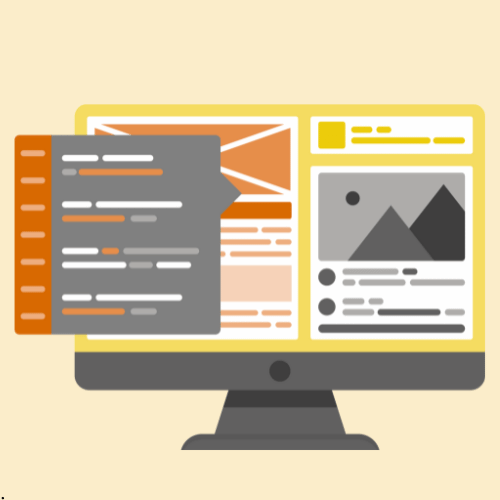
A pretty website can make a strong first impression.
But first impressions are only the beginning.
If your website looks polished but fails to explain what you do, guide visitors to the right next step, build trust, or support your sales process, it is not doing its job. Good design is not just about colors, layouts, animations, or modern visuals. It is about helping the right people understand your value faster and take action with more confidence.
That is where strategic web design makes the difference.
Strategic web design connects branding, user experience, messaging, SEO, conversion paths, and business goals. It asks better questions than “Does this look good?” It asks: “Does this help the visitor move forward?”
Below, we’ll look at why a website needs more than visual appeal, how strategic web design supports business growth, and what companies should focus on when they want a site that performs, not just one that looks nice.
Key Takeaways
- Strategic web design goes beyond looks. It turns a visually pleasing site into a high-performing digital asset.
- Focusing only on aesthetic appeal can lead to high bounce rates and poor conversion rates. A thoughtful website strategy balances beauty, usability, and measurable results.
- Data-driven insights keep your website aligned with evolving goals. Regular use of analytics tools, conversion optimization, and an on-page SEO checklist helps monitor website metrics and improve search rankings over time.
- Investing in strategic web design strengthens brand credibility, enhances your digital presence, and supports long-term revenue generation. It’s key to creating meaningful digital experiences that drive growth.
You’ve probably landed on a website that looked stunning but somehow felt off. Maybe it was slow to load, hard to navigate, or didn’t clearly tell you what to do next. The website owner probably needs to learn more about strategic web design.
These days, it’s not enough to create a site that’s nice to look at. To make the most out of this digital asset, you must align your website design with your business objectives and your target audience’s needs.
The real success of web design lies in creating a digital experience that connects, informs, and inspires action. A beautiful layout means little if visitors leave after a few seconds or never convert into customers.
But how do you create a good one? Here are the most essential aspects to consider.
Chapters
The Problem With “Pretty but Pointless” Websites
Many businesses fall into the trap of prioritizing aesthetic appeal over function. You might see crisp graphics and images, trendy color schemes, and sleek animations.
However, beauty isn’t everything when it comes to website creation. If users can’t find what they need, the site’s purpose falls flat. High bounce rates, low conversion rates, and poor site performance are usually the results.
This happens because design decisions aren’t always tied to a clear website strategy. Businesses sometimes overlook things like user experience, content strategy, and loading speed—all of which shape how people perceive and interact with your brand online. Without a solid design strategy, a site may impress visually but fail to guide users through the customer journey effectively.
Businesses that rely heavily on online visibility must seek professionals who specialize in turning digital storefronts into customer-focused growth engines. There are several choices in The Gem State, and you’re surely find an Idaho Falls web design company that blends artistry and analytics.
When picking a web designer, make sure that they can make your site look good and meet your website objectives. By combining creative design elements with smart data-driven decisions, they help businesses improve user engagement and optimize for conversions.
Whether you’re working with a local provider or a website design agency manchester businesses trust for strategic digital growth, the key is finding a team that blends creativity with performance-driven thinking.
What Makes Strategic Web Design Different
At its core, strategic web design bridges creativity and purpose. Every decision—from the color of a button to the placement of landing pages and call to action—serves a goal. This type of design starts with understanding who your user personas are and what they expect from your site.
It involves mapping the customer journey, defining measurable key performance indicators (KPIs), and ensuring your website development aligns with overall digital marketing strategies. It’s a full ecosystem where design, content, and technology work together toward revenue generation and brand credibility.
A strong design strategy covers several essential aspects:
- User experience (UX) and user interface (UI): These determine how easy it is to navigate your site. The user interface includes buttons, menus, and visual elements, while UX focuses on how intuitive the interaction feels.
- Responsive design: Today’s visitors use multiple devices, so mobile optimization and a mobile-first strategy ensure a seamless experience everywhere.
- Content strategy: Engaging text, videos, and exclusive content help users connect with your message while improving search rankings.
- Analytics tracking: Using analytics tools gives you valuable insights into visitor interactions, conversion rates, and areas for conversion optimization.
When all these elements work in harmony, your website transforms from a digital brochure into a dynamic growth engine.
How Design Impacts Business Objectives
If you think website design is only about visuals, think again. Each pixel and paragraph plays a role in achieving your company’s business objectives. A strategically designed site can:
- Increase conversions: Clear navigation, optimized landing pages, and strong calls to action improve customer acquisition.
- Boost brand differentiation: Cohesive visual identity and consistent messaging help establish market authority and expand market share.
- Enhance customer experience: Streamlined information architecture and fast load times keep visitors engaged.
- Support digital marketing: Integrated search engine optimization (SEO) and content updates strengthen your overall digital presence.
Take responsive design, for example. When your site adjusts automatically to any device, users enjoy a smoother customer experience, and that translates into trust and loyalty.
Connecting Design Strategy to User Engagement

Engagement is where design meets psychology. When you understand your target audience, you can tailor your website design requirements to fit their behavior patterns. It means simplifying navigation for older users or integrating sign-up links and interactive visual elements for younger, tech-savvy visitors.
To boost user engagement, strategic designers focus on how visual and interactive components shape the digital experience. Every call to action, testimonial, and product showcase must guide users deeper into the customer journey.
Smart web design agencies also collect user feedback to adjust layouts, refine content strategy, and improve site performance. The result? A more refined website ROI (return on investment) that reflects real results, not just impressions.
From Vision to Execution: Turning Concepts Into Conversions
A successful website is built through collaboration. Web designers, developers, and content creators work together to bring your design strategy to life. The process usually starts with brainstorming sessions, wireframes, and mood boards to define the overall visual strategy and tone.
Afterward, the team chooses suitable color schemes, graphics and images, and user flows that enable brand differentiation. Tools with visual editing features, often found in modern website builder platforms, make it easier to adjust layouts without extensive coding. For teams starting from an existing site rather than a blank page, an AI-powered website redesign can import your current content and generate three new design directions in minutes, which you then refine by chat, no developer needed.
Once everything is set, designers focus on testing site performance, improving loading speed, and ensuring smooth client interactions. The final phase includes conversion optimization, where designers analyze visitor interactions and tweak call to action placements to encourage engagement.
Why CMS Platforms Dominate the Web
Here’s an interesting fact: over 71% of websites have a content management system (CMS) integrated into their structure. That’s because CMS platforms simplify content creation, editing, and publishing—without requiring deep coding knowledge.
They also make it easier to implement updates, manage exclusive content, and maintain a consistent information architecture. Whether you’re planning a website redesign or building from scratch, using a CMS helps balance design freedom with practical content management.
Plus, many CMS platforms include SEO plugins, security add-ons, and analytics tracking options to help you handle everything in one place. For growing businesses, this flexibility supports scalability and long-term sustainability.
The Role of Search Optimization and Analytics

A visually appealing site is great, but without visibility, it won’t fulfill its purpose. That’s where keyword research and SEO come into play. By optimizing content around relevant phrases, you increase your site’s chances of ranking higher in search results and capturing more market opportunities.
It’s equally important to monitor your performance. Through analytics tools, you can track metrics such as bounce rate, conversion rates, and session duration. These insights show how well your website development aligns with your overall website objectives.
To fine-tune your performance further, you can use an on-page SEO checklist to ensure your pages are fully optimized—covering everything from meta descriptions to image alt tags. A systematic approach like this keeps your web development in sync with your digital marketing efforts, ensuring that your design choices directly impact visibility and conversions.
Measuring Success Through Website Metrics
Once your website is live, the work doesn’t stop. Continuous improvement is key. You can use analytics tools to assess performance and make informed decisions about conversion optimization and customer acquisition.
Your key performance indicators should include things like traffic sources, engagement levels, bounce rate, and conversion rates. By closely tracking these numbers, you’ll see how well your site meets its website objectives and contributes to overall revenue generation.
Effective website development doesn’t just build pages. It builds data systems that support growth. Through analytics tracking, you gain insights into your customer journey, refine content strategy, and uncover new market opportunities for expansion.
Keeping Up With Web Design Trends
Web design never stands still. Each year brings new approaches that influence how users interact with online content. Current web design trends emphasize simplicity, intuitive user interfaces, and immersive digital experiences.
Designers now rely heavily on data-driven insights and user stories to guide creative choices. For example, minimal layouts improve load time and focus attention on what matters most. Likewise, incorporating micro-animations or dynamic visual elements can make customer interactions feel more personal.
If you haven’t updated your site in a while, a website redesign may be necessary to maintain brand credibility and competitiveness. Keeping up with evolving market opportunities ensures your brand remains relevant and discoverable.
The Long-Term Payoff of Strategic Design
Investing in strategic web design isn’t just a one-time project. It’s an ongoing process that strengthens your brand differentiation and market authority. By continuously refining your visual identity and adapting to user behaviors, you maintain a strong digital presence that attracts and retains customers.
The payoff? Better engagement, higher trust, and stronger results. With a cohesive design strategy, your site becomes more than a digital brochure. It turns into a living, breathing part of your business that drives measurable growth.
Strategic design is about blending beauty with purpose. When you prioritize both form and function, your website becomes a tool for storytelling, interaction, and revenue generation. It reflects your values, serves your users, and stands out in a crowded market.

What Strategic Web Design Really Means
Strategic web design is the process of building a website around business goals, user needs, and clear conversion paths.
It combines several important elements:
- Brand positioning
- User experience
- Website copy
- Search engine visibility
- Conversion optimization
- Mobile usability
- Page speed
- Trust-building content
- Customer journey mapping
- Analytics and performance tracking
A visually attractive website can still fail if these elements are missing. Visitors may like how the site looks, but leave because they do not understand the offer, cannot find the right information, or do not feel confident enough to take the next step.
Strategic design helps prevent that.
It gives every page a purpose. It makes the website easier to navigate. It turns vague messaging into clear value. It helps visitors understand why your business is relevant to them and what they should do next.
Why “Pretty” Is Not Enough
Visual design matters. People make quick judgments about credibility, professionalism, and trust based on what they see.
But design alone cannot carry the full weight of a website.
A beautiful homepage will not fix confusing messaging. Smooth animations will not help if the call to action is buried. Expensive visuals will not matter if the site loads slowly, performs poorly on mobile, or attracts the wrong audience.
A website needs to answer practical questions quickly:
- What does this company do?
- Who is it for?
- Why should I care?
- Can I trust them?
- What makes them different?
- What should I do next?
- Is this worth my time, money, or attention?
Strategic web design makes those answers easy to find.
The goal is not to choose between beauty and performance. The goal is to make the design support the performance.
How Strategic Web Design Supports Conversions
Conversions rarely happen because of one button, one headline, or one design choice. They happen when the full experience builds enough clarity and trust for someone to act.
Strategic web design supports conversions by removing friction.
That can include:
- Clear navigation
- Strong headline messaging
- Helpful page structure
- Relevant calls to action
- Trust signals
- Proof points
- Fast-loading pages
- Mobile-friendly layouts
- Simple forms
- Clear product or service explanations
Each part of the website should help visitors move closer to a decision.
For example, a service page should not only describe what the company offers. It should explain who the service is for, what problem it solves, what makes the approach valuable, and what the visitor should do next.
A landing page should not only look attractive. It should align the headline, offer, social proof, visuals, and CTA around one clear action.
A homepage should not try to say everything. It should guide different types of visitors toward the most relevant next step.
The Role of Website Copy in Strategic Design
Website copy and design need to work together.
Design helps guide attention. Copy explains value.
When copy is treated as an afterthought, websites often become vague. They rely too much on generic phrases like “innovative solutions,” “tailored services,” or “helping businesses grow.” These phrases may sound professional, but they often fail to tell visitors what the company actually does or why it matters.
Strong website copy should make the design more useful.
It should help visitors understand:
- The problem being solved
- The outcome they can expect
- The reason to choose this business
- The steps involved
- The proof behind the claims
- The next action to take
Strategic web design works best when copy comes early in the process. The message should shape the structure of the page, not be squeezed into a finished layout at the end.
Strategic Web Design and SEO
A website that looks good but cannot be found is limited.
Strategic web design should support SEO from the start. That means the site structure, page topics, internal links, headings, content depth, and technical setup all need to help search engines and users understand the website.
SEO-friendly web design includes:
- Clear page hierarchy
- Fast load times
- Mobile-first usability
- Clean navigation
- Descriptive headings
- Helpful content sections
- Optimized title tags and meta descriptions
- Internal links between related pages
- Accessible design elements
- Content that matches search intent
Search performance is not only about keywords. It is also about usefulness.
If visitors land on a page and quickly leave because the content is thin, the layout is confusing, or the next step is unclear, the website is not doing enough. Strategic design helps create pages that are easier to find, easier to understand, and easier to act on.
Strategic Web Design and AI Marketing
AI is changing how businesses create, test, and improve websites.
AI tools can help with content planning, landing page ideas, customer journey mapping, audience research, headline variations, SEO briefs, UX writing, and conversion-focused copy. They can also help teams produce more page versions, test messaging angles, and identify content gaps faster.
But AI does not replace strategy.
The best results come when AI supports a clear direction. Businesses still need to know who they are speaking to, what their offer is, what makes them credible, and what action they want visitors to take.
AI can help speed up:
- Content creation
- Page optimization
- SEO research
- Messaging variations
- CTA testing
- FAQ development
- Landing page drafts
- Blog-to-landing-page repurposing
- Customer segment messaging
Strategic web design becomes even more important when AI enters the workflow. Without strategy, AI can produce more pages, more copy, and more design ideas without improving clarity or performance. With strategy, AI becomes a faster way to build, test, and refine better website experiences.
Website Elements That Build Trust
Trust is one of the most important parts of strategic web design.
Visitors often decide whether to stay, click, contact, book, or buy based on how confident they feel. A site that looks modern but lacks proof may still struggle to convert.
Trust-building website elements include:
- Customer testimonials
- Case studies
- Client logos
- Reviews
- Certifications
- Team profiles
- Clear pricing or process information
- Strong About page content
- Security and privacy signals
- Helpful FAQs
- Real product or service examples
- Clear contact information
Trust also comes from consistency. If the design, copy, images, tone, and offer all feel aligned, visitors feel more confident. If the site feels polished in one place and vague or outdated in another, that confidence drops.
Common Strategic Web Design Mistakes
Many websites underperform because they focus too heavily on appearance and not enough on the visitor journey.
Here are common mistakes to avoid:
Starting with design before messaging
If the message is unclear, the design will not fix it. Start with positioning, audience needs, and page goals before choosing layouts.
Treating every visitor the same
Different visitors need different information. A first-time visitor may need education and trust. A returning visitor may need pricing, proof, or a demo.
Hiding the call to action
Visitors should never have to search for the next step. CTAs should be visible, relevant, and easy to understand.
Using generic copy
Generic copy weakens trust. Be specific about what you do, who you help, and what results people can expect.
Ignoring mobile behavior
Many visitors will experience the site on a phone. If the mobile layout is difficult to read, slow, or hard to navigate, conversions will suffer.
Forgetting SEO during the design process
SEO should not be added after launch as a patch. Page structure, content, internal links, and technical performance should be part of the design process.
How to Know If Your Website Needs a More Strategic Approach
Your website may need a more strategic redesign if:
- Visitors land on the site but do not convert
- Your messaging feels vague or outdated
- Your pages look good but do not rank
- Your services are hard to explain
- Your navigation has grown messy
- Your team struggles to update content
- Your brand has evolved but the website has not
- Leads often ask questions the website should answer
- Competitors appear more credible online
- Your calls to action are unclear
- Your site does not support your sales process
A strategic redesign does not always mean starting from scratch. Sometimes the biggest improvements come from clearer copy, better page structure, stronger CTAs, better internal linking, and stronger proof.
Final Thoughts
When you go beyond a pretty site, you start building something that truly works for your business. Through thoughtful information architecture, responsive layouts, and well-planned content strategy, you create a seamless path from curiosity to conversion.
Strategic web design is all about purpose. It’s what transforms a static webpage into a thriving growth engine that supports your goals, enhances your digital marketing, and strengthens every customer experience along the way. It aligns your website design with clear business objectives and your target audience’s needs.
FAQ
What is strategic web design?
Strategic web design is the process of designing a website around business goals, user needs, brand messaging, SEO, and conversion paths instead of focusing only on visual appearance.
Why is strategic web design important?
Strategic web design helps visitors understand your offer, trust your business, find the right information, and take action. It turns a website into a business tool, not just an online brochure.
What is the difference between web design and strategic web design?
Web design often focuses on layout, visuals, and usability. Strategic web design also includes messaging, SEO, conversion goals, customer journey planning, and business outcomes.
Can a beautiful website still perform poorly?
Yes. A website can look professional but still perform poorly if the messaging is unclear, pages load slowly, SEO is weak, navigation is confusing, or visitors do not know what to do next.
How does strategic web design improve conversions?
Strategic web design improves conversions by making the visitor journey clearer. It uses strong messaging, trust signals, helpful content, clear CTAs, and friction-free layouts to guide users toward action.
How does SEO fit into strategic web design?
SEO should be part of strategic web design from the start. Page structure, headings, content depth, internal links, load speed, mobile usability, and search intent all affect how well a website performs.
How can AI support strategic web design?
AI can help with content planning, SEO briefs, landing page drafts, headline ideas, UX copy, FAQ creation, and message testing. It works best when guided by a clear brand, audience, and conversion strategy.
What should every strategic website include?
A strategic website should include clear positioning, helpful navigation, strong page copy, trust signals, mobile-friendly design, fast performance, SEO-friendly structure, and clear calls to action.
Author Bio
Jeanet Clarke is a freelance digital content writer who loves exploring how design and storytelling shape the online experience. When not writing, Jeanet enjoys hiking, photography, and discovering creative websites that inspire new ideas.
Other Interesting Articles
- AI LinkedIn Post Generator
- Gardening YouTube Video Idea Examples
- AI Agents for Gardening Companies
- Top AI Art Styles
- Pest Control YouTube Video Idea Examples
- Automotive Social Media Content Ideas
- Plumber YouTube Video Idea Examples
- AI Agents for Pest Control Companies
- Electrician YouTube Video Idea Examples
- How Pest Control Companies Can Get More Leads
- AI Google Ads for Home Services
- 60-Second Training Videos Are the New Corporate Standard
- Cybersecurity PR Pricing: Retainers, Deliverables & ROI
- Best AI Tools for Product Consistency in E-Commerce Video
Master the Art of Video Marketing
AI-Powered Tools to Ideate, Optimize, and Amplify!
- Spark Creativity: Unleash the most effective video ideas, scripts, and engaging hooks with our AI Generators.
- Optimize Instantly: Elevate your YouTube presence by optimizing video Titles, Descriptions, and Tags in seconds.
- Amplify Your Reach: Effortlessly craft social media, email, and ad copy to maximize your video’s impact.