
Content Marketing for Musicians How Technology Helps Build a Fanbase
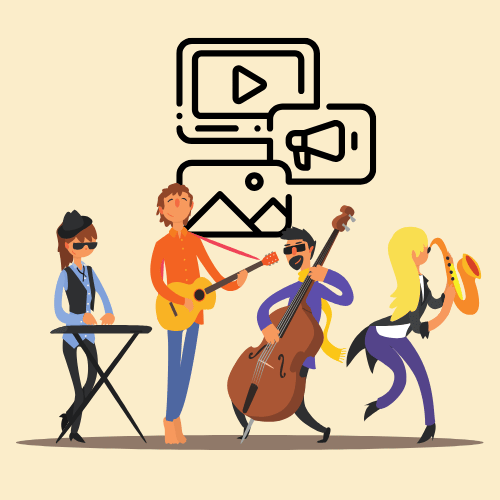
Your next song can become more than a release announcement. The story behind a lyric, a rehearsal recording, or an unexpected production choice can give people a reason to listen, remember you, and come back.
Technology helps you capture those moments and turn them into useful marketing content. AI can help develop ideas and draft captions. Editing tools can turn one recording session into several videos. Email and analytics tools can help you understand which content leads to deeper fan relationships.
The opportunity is substantial. IFPI reports that global recorded music revenue reached $31.7 billion in 2025, with 837 million users of paid streaming subscription accounts. Those figures describe the overall market, not the income an individual musician can expect. They show the scale of the listening audience musicians are trying to reach.
A useful music marketing strategy connects that discovery opportunity to something more lasting: repeat listening, email subscriptions, ticket purchases, and direct support.
Chapters
What Is Content Marketing for Musicians?
Content marketing for musicians means sharing videos, stories, images, and other material that helps people discover your music and develop an interest in your work.
It includes the performance clip that introduces your sound, the explanation that makes a lyric more meaningful, and the email that invites a listener to your next show.
Each piece should have a clear purpose:
- Discovery: Help someone hear your music for the first time.
- Connection: Give them a reason to remember you.
- Action: Invite them to listen, subscribe, or buy a ticket.
- Retention: Give existing fans a reason to return.
A post does not need to accomplish all four. A strong performance clip might introduce you beautifully without telling your entire life story.
Choose Technology Around Your Marketing Goal
Start with the task you need to improve. Buying more software rarely solves an unclear content strategy.
| Marketing goal | Useful technology | Practical musician example | What to measure |
|---|---|---|---|
| Reach new listeners | Video editing and captioning tools | Turn a live performance into a short clip with a clear opening | Viewer retention, profile visits, and follows |
| Explain your music | Transcription and AI writing tools | Turn a voice note about a song into a story post and email draft | Replies, engaged visits, and listening-link clicks |
| Keep a release campaign organized | Content calendars and scheduling tools | Prepare approved posts around a single release date | Publishing consistency and time spent preparing content |
| Build direct fan relationships | Email signup forms and email platforms | Offer release updates or an acoustic recording to subscribers | Confirmed subscriptions, clicks, and unsubscribes |
| Create consistent visuals | Design tools and AI image tools | Develop cover concepts and adapt approved artwork for promotion | Production time and campaign response |
| Improve future campaigns | Platform analytics and spreadsheets | Compare performance clips with songwriting explanations | Repeat listening, conversions, and cost per result |
For a solo musician, a manageable starting setup is one main discovery channel, an artist website or release page, an email list, and a simple reporting sheet.
Expand when a specific task becomes difficult to manage.
The StoryLab.ai Music Content Framework
Use this repeatable workflow to connect creative work with fan growth:
Capture → Shape → Publish → Connect → Learn
Capture: Collect Material While Making Music
Build a small library of real moments:
- Voice notes explaining a lyric.
- Rehearsal and recording footage.
- Early demos and alternate arrangements.
- Photos of instruments, locations, and collaborators.
- Questions listeners ask repeatedly.
Keep a note beside each asset explaining what happened and why it matters. That context makes later writing easier and gives AI tools something accurate to work with.
Shape: Give Each Piece One Clear Idea
A studio session might produce several stories, but each post should focus on one.
For example:
- How a quiet demo became a loud chorus.
- Why you kept an imperfect vocal take.
- What changed when the drummer tried a different rhythm.
- The memory behind the song’s opening line.
Use AI to explore ways to present the story. Keep the facts and final wording under your control.
Publish: Adapt the Material to the Format
A short video needs a quick introduction to the music or story. An email can provide more context. A website page can collect the release details, credits, and listening links.
Repurpose the underlying idea while making each version useful on its own.
Connect: Offer a Relevant Next Step
Match the invitation to what the person just experienced.
After a performance clip, invite them to hear the complete song. After a songwriting story, offer more behind-the-scenes updates. After a rehearsal video, point local fans toward the show.
One clear invitation is usually easier to act on than a list of unrelated requests.
Learn: Review What Led to Meaningful Action
Ask which content helped people move from watching to listening, subscribing, or returning.
Keep successful ideas in rotation. Change the opening, format, or invitation when a piece attracts attention but produces little follow-through.
Turn One Recording Session Into a Release Campaign
You do not need a new creative concept every day. One well-documented session can support several distinct pieces of content.
Imagine an independent artist recording an acoustic version of a new single. The session could provide:
- A full performance video.
- A short clip featuring the strongest musical moment.
- A spoken explanation of one lyric.
- A comparison between the demo and finished arrangement.
- A photo post introducing a collaborator.
- An email about how the song changed.
- A website article collecting the story and credits.
These pieces serve different needs. Some help strangers discover the song. Others reward listeners who already care.
For YouTube Shorts, use the official song from the audio picker when available. YouTube explains that this connects the Short to the song’s library page, where viewers can explore related Shorts and the official music video.
Experiment with different entry points into the same song:
- Start immediately with the chorus.
- Introduce the emotion behind the lyric.
- Show an unusual instrument or production technique.
- Answer a real listener question.
- Compare two versions of the same passage.
Treat these as tests. No opening line or video length guarantees reach.
Use AI to Support Your Voice
AI becomes more useful when you supply original material: your notes, experiences, approved facts, and examples of how you communicate.
A vague request such as “write a promotional post for my song” leaves the system guessing. A detailed brief gives it something worth shaping.
Start With a Small Artist Brief
Include:
- Your musical style and intended audience.
- The release title and confirmed date.
- The real story behind the song.
- Your usual tone.
- Words or claims to avoid.
- The action you want readers to take.
You can use the StoryLab.ai Content Idea Generator to explore campaign angles, then develop selected ideas with the Social Media Caption Generator.
For example:
Create five short video concepts for an independent indie-folk musician releasing a song about moving away from home. Use the recording notes below as the only factual source. For each concept, suggest an opening line, footage to use, and one invitation to hear the full song. Keep the tone warm and understated. Do not invent lyrics, achievements, audience reactions, or personal experiences.
Give AI Specific Jobs
Useful tasks include:
- Turning a transcript into a first draft.
- Suggesting several ways to introduce the same story.
- Shortening an approved caption.
- Drafting subject lines for a release email.
- Organizing anonymized listener feedback into themes.
- Suggesting questions to investigate in your analytics.
Review the result before publishing. Check song titles, credits, dates, links, and any statements about your career.
When analyzing performance, ask AI to separate observations from possible explanations. A post receiving more views does not establish why it performed better.
For a small audience, a few enthusiastic fans can also move the numbers substantially. Use those results to choose your next experiment, rather than treating them as reliable predictions of your next hit.
Create Visuals That Fit the Music
Album artwork, thumbnails, and promotional images should help listeners recognize the release.
Begin with a visual brief:
- What emotion should the artwork communicate?
- Which colors and textures fit the recording?
- Is there a recurring object, place, or image in the lyrics?
- How should the artist name and release title appear?
- Will the design remain recognizable at thumbnail size?
AI image tools can help explore compositions, backgrounds, and mood-board concepts. A designer can then refine the strongest direction and adapt it across formats.
Keep a consistent visual reference so each new image feels connected to the campaign. Check generated images carefully for distorted details and inaccurate text, and review the terms for any tools and source assets you use.
For video, distinguish between routine production assistance and realistic synthetic material. YouTube requires disclosure for realistic AI-generated content and meaningful AI alterations, while outlining exceptions for certain minor edits and production assistance. Review its guidance before uploading.
Build Relationships Beyond Social Media
A useful campaign gives interested listeners a way to stay connected after the initial post.
Offer a clear reason to join your email list:
- Early access to an acoustic performance.
- Notes about upcoming releases.
- Local show announcements.
- Occasional stories from the recording process.
Explain what subscribers will receive and keep that promise.
A simple welcome sequence might include:
- The promised content: Deliver the recording, update, or other material they requested.
- A short introduction: Share your story and suggest one song to start with.
- An invitation to reply: Ask which track connected with them or where they would like to see you perform.
Let fans choose interests where practical, such as release updates or shows in their area. This gives you a useful basis for relevant messages.
The value of deeper engagement appears in Spotify’s research. Its Fan Study found that super listeners represented an average of 2% of an artist’s monthly listeners but generated more than 18% of monthly streams. The analysis used activity from May 12 to June 9, 2025. Source: Spotify Fan Study
That is a reason to serve returning fans alongside reaching new ones. Share material that rewards their interest: thoughtful answers, alternate versions, and details they cannot get from a release announcement.
Make Your Music Easier to Find in Search and AI Answers
Your website can provide a clear, reliable account of your music for fans, journalists, promoters, and search engines.
Start with pages that answer specific questions:
- Who is the artist?
- What is the latest release?
- What is the story behind a particular song?
- Who contributed to the recording?
- Where are the upcoming shows?
- How can someone contact the artist for bookings?
Give important releases a dedicated page with the exact title, release date, credits, artwork, listening links, and a first-hand explanation of the music.
For example, a page explaining how you recorded a track in a particular room can include original photos, equipment details, and your account of the session. Those details provide information that a generic artist biography cannot.
Keep essential information in readable text, rather than only inside images or embedded videos.
Google says established SEO practices remain relevant to AI Overviews and AI Mode. It does not require special AI markup or AI text files. Pages must be indexed and eligible to appear with a snippet, and inclusion is not guaranteed.
Focus on accurate information, clear answers, original material, and useful links between your pages. Those improvements serve visitors regardless of how they discover you.
Leveraging Social Media for Greater Reach

Musicians now use social media platforms to engage directly with their audience. Platforms like Instagram, TikTok, and Twitter provide a space where artists can share updates, tease new releases, and interact with fans in real-time.
Utilizing AI algorithms helps musicians understand trending topics and audience preferences. This insight allows them to create content that resonates more deeply. With these platforms at hand, musicians can target specific demographics effectively, resulting in more meaningful interactions and expanded reach across the digital landscape.
Creating Engaging Blog Content
Blogs serve as a powerful tool for musicians to share their stories, inspirations, and industry insights. By weaving personal narratives with professional achievements, artists can create a deeper connection with their audience. Plus, integrating SEO strategies ensures that this content reaches the right people.
In case you’re a musician, consider these essential tactics:
- SEO Optimization: Use keywords related to your music genre and topics fans are searching for. This strategy increases your visibility on search engines.
- Storytelling: Share behind-the-scenes anecdotes from recording sessions or tours. Authentic stories captivate readers and build loyalty.
Importantly, regularly updating blogs with fresh content maintains audience interest while showcasing an artist’s evolving journey in the music world.
Innovative Music Videos
Music videos remain a critical element in marketing for musicians. They provide a visual narrative that can captivate audiences and elevate a song’s impact. Creative storytelling combined with high-quality production can make music videos shareable, driving engagement.
If you’re filming a live guitar performance, use the Roadie 4 automatic guitar tuner to tune before the first take and check your tuning between takes.
Video distribution platforms play an invaluable role in this process. These tools help artists to reach broader audiences by optimizing video placements across multiple channels. One effective method involves enabling an audience to stream videos with DistroVid, which streamlines the distribution process while maximizing reach.
Leveraging these platforms ensures that music videos not only reach more people but also engage them effectively, reinforcing the artist’s brand identity through visually compelling content.
Harnessing AI for Marketing Insights (and Better Music Production)

AI technology transforms how musicians approach marketing. By analyzing vast amounts of data, AI tools provide actionable insights into audience behavior and preferences. This information helps artists tailor their content to what fans genuinely want to see and hear.
Moreover, predictive analytics allow musicians to anticipate trends and adjust strategies accordingly. For instance, an artist might identify which types of posts perform best on social media or predict which upcoming songs will resonate most with their audience.
These insights enable more effective marketing campaigns, enhancing engagement and fostering a stronger connection with listeners.
A musician’s ai tools arsenal at a glance
Among the various AI tools available, several stand out for their usefulness to musicians:
- Amper Music: Generates custom music tracks. This helps artists create backing tracks or explore new musical ideas effortlessly.
- Storylab AI Content Idea Generator: Artists can brainstorm and generate creative content ideas tailored to their needs using artificial intelligence. This is for blog posts, video, social media content, and more.
- LANDR: Provides automated mastering services. Artists can instantly master their recordings with professional quality.
- Hootsuite Insights: Analyzes social media engagement. Musicians can track performance metrics and optimize their posts accordingly.
- Musiio: Uses AI to analyze song structures and recommend improvements. This allows musicians to refine their compositions based on data-driven insights.
These tools empower musicians by simplifying tasks and enhancing creativity through technology.
Future Trends in Creative Content Marketing
Looking ahead, the integration of virtual and augmented reality in music marketing is poised to revolutionize the industry. Musicians can offer fans immersive experiences, such as virtual reality concerts or interactive music videos. These innovations create unique opportunities for engagement that go beyond traditional media.
Blockchain technology also promises significant changes. It allows artists to securely distribute their work while ensuring fair compensation through smart contracts. This technology helps build trust with audiences by offering transparent transactions and ownership rights.
As these trends continue to evolve, musicians must stay informed and adapt their strategies. Embracing these cutting-edge technologies ensures the smart remain competitive in an ever-changing digital landscape.
Technology profoundly impacts how musicians market their creative content. By leveraging tools like social media, AI-driven insights, and video distribution platforms, artists can effectively reach and engage their audience. Staying ahead with emerging trends will ensure continued success in this dynamic industry.
How AI can help Create Breathtaking Album Covers

In the music industry, visuals are just as important as the music itself. A well-designed album cover not only attracts listeners but also tells a visual story that complements the music. With the rapid advancements in AI, creating stunning album covers has become easier, more accessible, and more innovative. Let’s explore how AI can elevate your album art.
1. AI-Generated Artwork
One of the most exciting developments in AI is its ability to generate unique artwork. AI tools like Kittl can create visually striking images based on text prompts or music genres. Artists and designers can input descriptions of their music, moods, or themes, and AI algorithms can produce original visuals. An AI Album Cover Generator offers endless possibilities, from abstract designs to surrealist art.
Example Use Case: Imagine describing your music as “dreamy, ethereal, and space-inspired,” and AI can generate an artwork that mirrors those exact feelings. This eliminates the need for extensive back-and-forth with designers and speeds up the creative process.
2. Customization and Flexibility
AI-generated album covers provide an unparalleled level of flexibility. Artists can quickly iterate on various styles and concepts before landing on the final design. This allows musicians and creative teams to test different visual directions without exhausting time or resources.
Example Use Case: You can explore multiple versions of the same concept, like minimalist, maximalist, or retro-futuristic, in just a few clicks, tailoring each one until it feels perfect for your album.
3. Enhanced Collaboration with Designers
AI doesn’t necessarily replace human designers but enhances their creativity. By using AI tools, designers can get fresh ideas or use AI-generated art as a base and refine it manually. This collaborative process allows for faster creation while ensuring the final product retains a human touch.
Example Use Case: A designer can start with an AI-generated image and enhance it by adding intricate details, adjusting the color scheme, or infusing it with elements that represent the artist’s vision.
4. AI-Based Style Transfer
AI style transfer technology allows you to apply the visual style of famous artworks or specific aesthetics to your album cover. By combining various artistic styles with music themes, artists can create captivating covers that stand out. Style transfer tools allow you to infuse your cover with the mood of impressionism, pop art, or even photography.
Example Use Case: Musicians inspired by Van Gogh’s iconic swirls or the bold colors of the Bauhaus movement can apply those art styles to their album cover using AI, blending classic art with modern music.
5. Cost-Effective for Independent Artists
For independent artists without the backing of major labels, creating professional-quality album covers can be costly. AI helps level the playing field, offering high-quality designs without the need for expensive software or a team of professional designers. This democratizes access to great visuals for artists at any level.
Example Use Case: AI platforms like Canva or Adobe Firefly offer pre-designed templates and AI-driven tools that allow indie artists to craft professional-looking covers in minutes without breaking the bank.
6. Matching Visuals to Music Data
AI can analyze the audio data of your album, such as tempo, genre, and mood, to generate cover designs that visually align with the music. This allows artists to present an album cover that reflects not only the themes of the songs but also the emotions behind them, providing a complete sensory experience for the listener.
Example Use Case: An AI tool might listen to your track and automatically suggest visuals that evoke feelings of tranquility, aggression, or mystery, perfectly aligning the visual to the sound.
AI is reshaping the way we create album covers by making the process faster, more creative, and more accessible. Whether you’re an independent artist or part of a larger label, AI-driven design tools can help you create breathtaking album art that resonates with your music and your audience. By blending the speed and innovation of AI with human creativity, the possibilities for album cover design are limitless.
A Practical Four-Week Music Release Content Plan
Use this schedule as a starting point and adjust it to your production capacity. Delivery to your distributor may need to happen earlier.
| Timing | Main objective | Content to prepare or publish | Fan invitation |
|---|---|---|---|
| Three weeks before release | Introduce the story | A behind-the-song clip, rehearsal footage, and a release page | Subscribe for the release update |
| Two weeks before release | Build recognition | A performance excerpt, artwork reveal, and collaborator introduction | Follow the artist or save the release date |
| Release week | Make listening easy | The full song or video, a launch email, and a clear announcement | Listen to the release |
| The week after release | Deepen interest | An alternate performance, production story, and answers to fan questions | Return to the song, join the list, or explore a show |
If you plan to pitch an eligible unreleased song to Spotify’s editors, build the deadline into your schedule. Spotify states that pitching at least seven days before release places the song in followers’ Release Radar playlists. Editorial playlist placement is not guaranteed.
Give yourself time for delivery, asset checks, and corrections. The release date should not be the first time you test the listening link.
Measure Fan Growth Beyond Views
Views show exposure. They do not tell you whether someone remembered the artist, listened to the song, or returned.
Choose a small set of measures that match the campaign:
- Discovery: Reach, viewer retention, profile visits, and follows.
- Interest: Release-page visits and listening-link clicks.
- Connection: Email subscriptions, replies, and returning viewers.
- Listening: Saves, streams per listener, and audience segments.
- Support: Ticket purchases, merchandise orders, and other direct sales.
Compare results over similar periods. Keep paid promotion separate from organic activity when possible.
A simple calculation can help evaluate your release page:
Email signup conversion rate = confirmed new subscribers ÷ relevant landing-page visits × 100
For example, 24 confirmed subscriptions from 600 visits gives a 4% signup conversion rate. This is an illustration, not a music industry benchmark.
Track links can help distinguish visits from different channels, but a click to a streaming service is not proof that someone played the song. Use website and platform reporting together without assuming every action can be connected.
End each review with one decision: repeat a promising format, improve the invitation, simplify the landing page, or stop spending time on an approach that is not helping.
FAQ
How can AI help musicians with content creation?
AI can generate high-quality content such as social media posts, blog articles, video scripts, and promotional materials. Tools like ChatGPT, Jasper, and Writesonic assist in writing engaging narratives that resonate with fans.
Can AI help musicians create personalized marketing campaigns?
Yes! AI analyzes audience data to deliver personalized recommendations, email marketing campaigns, and social media content. This ensures fans receive content tailored to their preferences, increasing engagement and loyalty.
How does AI improve social media marketing for musicians?
AI-powered tools like StoryLab.ai, Hootsuite, and Sprout Social help schedule posts, analyze engagement metrics, and suggest trending hashtags. AI also assists in generating captions and optimizing post timing for maximum reach.
Can AI help musicians generate visuals and album covers?
Absolutely! AI-powered design tools like StoryLab.ai, Canva, MidJourney, and DALL·E create stunning album covers, promotional posters, and social media graphics without the need for advanced design skills.
How does AI enhance music video production?
AI can automate video editing, add effects, and generate lyric videos. Platforms like Runway ML and Synthesia allow musicians to create visually appealing videos without extensive editing experience.
Can AI assist with SEO for musicians’ websites and content?
Yes! AI-driven SEO tools like SurferSEO, Clearscope, and RankIQ optimize website content, blog posts, and metadata to improve search engine rankings, making it easier for new fans to discover your music.
How can AI help with email marketing for musicians?
AI automates email campaigns, personalizes messages, and predicts the best times to send emails. Tools like Mailchimp and ConvertKit use AI to segment audiences and increase email open rates.
Can AI generate song lyrics or melodies?
Yes, AI-powered tools like OpenAI’s Jukebox and Amper Music can generate lyrics, melodies, and backing tracks, providing inspiration for musicians or aiding in production.
How can AI assist with audience engagement and fan interaction?
AI chatbots and virtual assistants can handle fan inquiries, recommend upcoming concerts, and even engage in personalized conversations, enhancing the artist-fan relationship.
Is AI replacing musicians in content creation?
No, AI is a tool that enhances creativity rather than replacing human artistry. Musicians can leverage AI to streamline marketing tasks while focusing on their craft.
Can AI help musicians with monetization and revenue generation?
Yes! AI-powered analytics tools help musicians identify revenue opportunities through streaming trends, merchandise sales predictions, and fan engagement insights. Platforms like Patreon and Koji also use AI to suggest the best ways to monetize exclusive content.
How does AI improve live streaming and virtual performances?
AI-powered software enhances live streams by optimizing video and audio quality, generating real-time captions, and even creating interactive fan experiences. Tools like Restream and Streamlabs use AI to automate engagement and improve production quality.
Can AI help musicians with music distribution and playlist placement?
Yes! AI-driven platforms like LANDR, SoundCloud Repost, and Spotify for Artists analyze streaming data to recommend distribution strategies, optimize metadata, and increase the chances of getting featured on popular playlists.
Author bio:
Gabe is passionate about crafting audience-based media. She is an experienced copywriter with over 9 years of content creation and marketing under her belt. She’s worked with companies to craft organic content and developing paid and growth marketing campaigns.
Master the Art of Video Marketing
AI-Powered Tools to Ideate, Optimize, and Amplify!
- Spark Creativity: Unleash the most effective video ideas, scripts, and engaging hooks with our AI Generators.
- Optimize Instantly: Elevate your YouTube presence by optimizing video Titles, Descriptions, and Tags in seconds.
- Amplify Your Reach: Effortlessly craft social media, email, and ad copy to maximize your video’s impact.