
Self-Publisher Checklist: How to Choose Online Printing Services
Self-publishing gives authors more control than ever. You choose the topic, shape the message, build the audience, and decide how the finished book should look in someone’s hands.
That freedom is exciting. It also means you are now part writer, part publisher, part project manager, and part marketing team. No pressure, right?
One of the biggest decisions is choosing the right online printing service. A great printer can make your book feel professional, ship orders smoothly, and support your launch. The wrong one can leave you with blurry images, odd margins, surprise fees, late deliveries, or boxes of books sitting in your hallway judging you quietly.
This checklist walks through what self-publishers should look for before choosing an online printing service. We’ll cover print quality, file setup, pricing, print-on-demand, bulk printing, fulfillment, ISBNs, support, and the marketing materials that help your book sell after it is printed.
If you are using AI tools to help write, edit, plan, or promote your book, this step matters even more. AI can help you move faster, but your printed book still needs human judgment, strong positioning, clean design, and a launch plan that reaches real readers.
Chapters
Quality of Printing
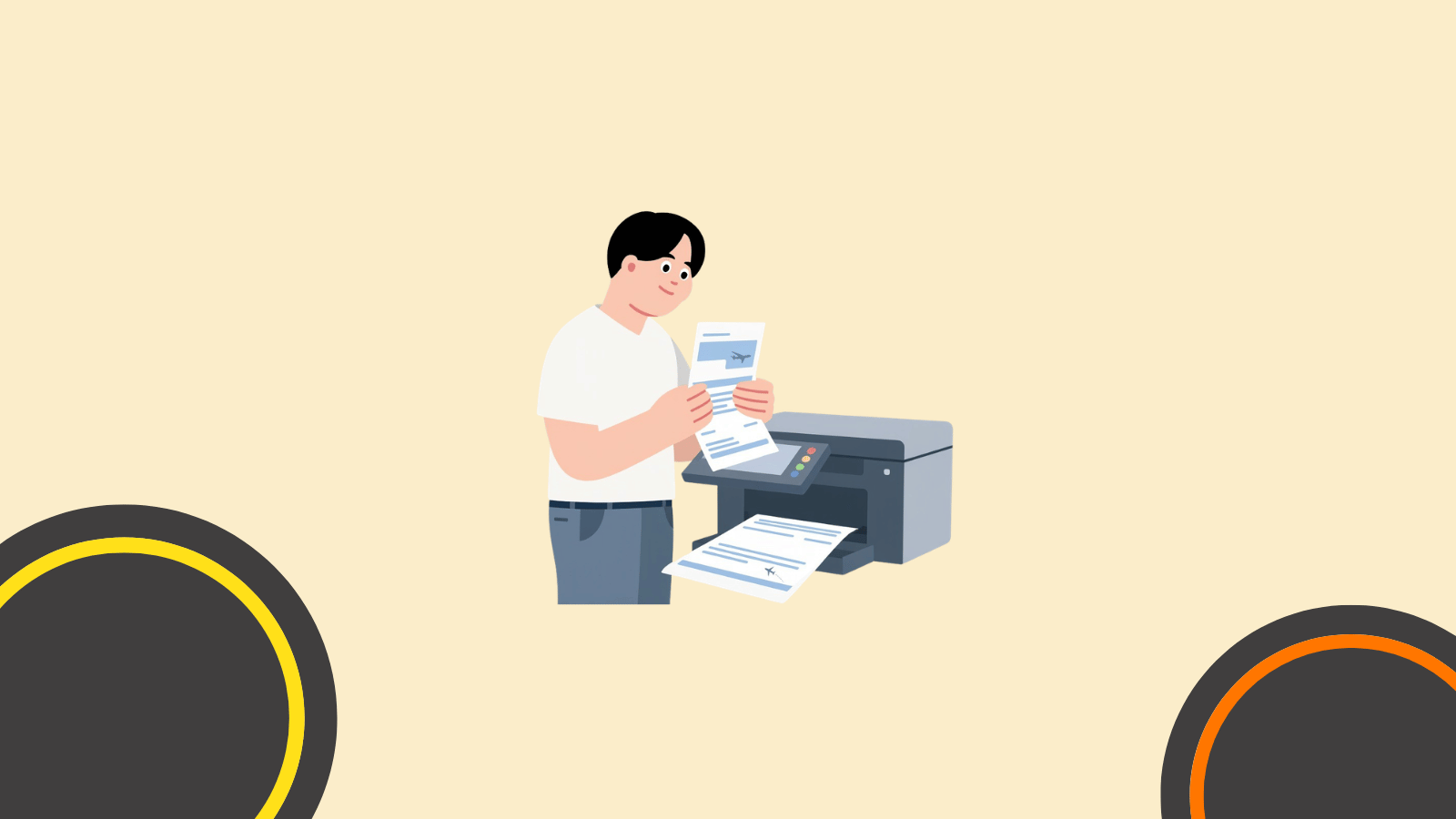
Start with the basics: paper, binding, and print clarity. The paper stock sets the tone, whether you want something lightweight or heavy and durable. Binding matters too. Options like saddle-stitched, perfect-bound, or spiral-bound books each serve different needs. Spiral works well for workbooks, perfect binding gives a sleek finish for novels, and saddle stitching suits shorter booklets. Self-publishers who want promotional giveaways often start by ordering saddle stitch booklets in modest quantities to gauge reader response before committing to a longer print run.
Don’t overlook color and resolution. Services that offer full-color options should deliver sharp images and consistent tones. If you’re considering color copies for inserts or illustrations, check samples first. Quality printing ensures your book looks professional from cover to cover.
Customization and Flexibility
You’ll find that online printing solutions open the door to more than standard trim sizes or finishes. With the help of printing experts, self-publishers can create books that stand out without sacrificing professional quality.
Customization isn’t simply about aesthetics. Choosing custom sizes allows you to match your format to your genre, whether it’s a pocket guide, a workbook, or a coffee-table book. Pair that with custom paper stock, and you can control how your book feels in a reader’s hands. These details influence perception and can elevate your work from ordinary to memorable.
Flexibility also extends to promotional materials that reinforce your brand. Beyond the book itself, many providers offer items such as business cards or bookmarks. These extras give you practical tools to connect with readers at events, signings, or through direct outreach. When customization is handled thoughtfully, it becomes a way to strengthen your presence and leave a lasting impression.
Pricing Transparency
Clear pricing is non-negotiable. Watch for hidden fees like setup charges, shipping, or file revisions. Many services highlight cost benefits when you print in bulk, but print-on-demand can be smarter if you’re testing the market.
It also helps to compare quotes across providers. Some bundle extras into their base price, while others charge separately for cover finishes. Knowing how each line item is billed prevents surprises later and lets you plan your budget with confidence.
Turnaround Time and Reliability
Deadlines matter. Ask about turnaround time before committing, because a delay can throw off your launch schedule. Your printing partner should provide clear timelines and tracking so you know when to expect delivery, helping you plan with confidence.
Reliability is just as important as speed. A provider that meets deadlines regularly gives you the assurance that your publishing plans will stay on track.
Distribution and Fulfillment Options
Printing is only half the battle. You also need to get your book into readers’ hands, and a strong printing partner can help bridge that gap.
The right service combines distribution with fulfillment, taking care of packaging, shipping, and even returns. This reduces the burden of logistics so you can focus on writing and promotion. By offering both reach and reliability, your printing provider becomes a partner in delivering your work smoothly and professionally to readers.
Customer Support and Guidance
Support can make or break your experience. Look for services that provide templates, file checks, or design help. Responsive support prevents costly mistakes and keeps your project moving smoothly.
Strong providers offer multiple ways to reach them and respond quickly when issues arise. Proactive guidance, such as flagging formatting errors before printing, can save you time and money.
Consider how much support you’ll need based on your publishing experience. First-time authors may benefit from step‑by‑step help, while seasoned self‑publishers might only need quick troubleshooting. Matching the level of guidance to your needs ensures you get the right balance of independence and reassurance.
Reputation and Reviews
Research matters. Reading reviews can reveal patterns you might miss at first glance. Consistent negative feedback often points to recurring issues, while positive reviews highlight strengths such as print quality or customer service.
Look beyond star ratings and focus on detailed comments. Feedback about durability or how closely the final product matched expectations gives you a clearer picture of whether a provider’s reputation aligns with your publishing goals.
Compliance and Legal Considerations
Don’t overlook the legal side of publishing. Every book intended for retail distribution needs an International Standard Book Number (ISBN). This unique identifier allows bookstores, libraries, and distributors to catalog your title correctly and ensures it can be tracked in sales systems. Barcodes are also often required for point‑of‑sale scanning, making them essential if you plan to sell through major retailers.
Copyright requirements are equally important. Make sure your publishing contract clearly defines who owns the rights to your work and how it can be used. Compliance with these standards protects your intellectual property, avoids disputes, and signals professionalism to retailers and readers alike.
Print-on-Demand vs Bulk Printing: Which One Fits Your Book?
Before choosing an online printing service, decide how you want your book to be produced.
Print-on-demand means books are printed when someone orders them. This is usually a smart option for first-time authors, niche nonfiction books, poetry collections, workbooks, and books with uncertain demand. You do not need to pay for a large print run upfront, and you avoid storing hundreds of copies at home.
Bulk printing means you order a larger quantity at once. The cost per copy is often lower, but the upfront cost is higher. This can work well if you already have an audience, pre-orders, speaking events, workshops, a corporate buyer, or a clear distribution plan.
Here is a simple way to compare both options:
| Printing option | Best for | Main benefit | Main risk |
|---|---|---|---|
| Print-on-demand | New authors, niche books, testing demand, online sales | Low upfront cost and no inventory stress | Lower profit per copy in some cases |
| Bulk printing | Launch events, schools, workshops, business books, author talks | Lower cost per copy when ordering larger quantities | You pay upfront and must manage storage and shipping |
| Hybrid approach | Authors selling online and offline | Use print-on-demand for online orders and bulk copies for events | Requires more planning across platforms |
For many self-publishers, the safest starting point is print-on-demand. Once you know your book sells, you can consider a bulk order for events, bundles, signed copies, or special editions.
Check the File Requirements Before You Design the Book
A book can look great on your screen and still fail at the printing stage. That is why file requirements matter.
Before you choose a printer, check what they require for:
- Interior file format
- Cover file format
- Trim size
- Bleed
- Margins
- Image resolution
- Color settings
- Spine width
- Barcode placement
- Page count limits
- Paperback, hardcover, or spiral binding options
Most online book printers will expect print-ready PDF files. If your book includes images, illustrations, charts, worksheets, or full-page designs, pay extra attention to bleed and margins. Text that sits too close to the edge can get trimmed. Images with low resolution can print blurry. A cover with the wrong spine width can look slightly off, which is the kind of thing readers may not name but will definitely feel.
A good printing service should offer templates, cover calculators, file checks, or clear upload warnings. If the platform leaves you guessing, that is not a great sign.
Order a Proof Copy Before You Launch
Never skip the proof copy.
A proof copy is your chance to hold the book before customers do. It lets you check the things that are hard to judge on a screen:
- Does the cover look sharp?
- Are the colors close to what you expected?
- Is the paper right for the book?
- Is the text easy to read?
- Do the margins feel comfortable?
- Is the spine aligned?
- Are images, charts, or illustrations crisp?
- Does the book feel professional for the price you want to charge?
Read through the proof like a reader, not just like the author. Flip pages. Check headings. Look at the back cover. Hold it next to books in the same category if you can.
This is especially important for nonfiction authors, coaches, consultants, and creators using books as authority-building assets. Your book is not just a product. It is also a trust signal.
Compare the Total Cost, Not Just the Print Price
The cheapest print quote is not always the cheapest publishing decision.
When comparing online printing services, look at the full cost:
| Cost item | Why it matters |
|---|---|
| Print cost per copy | Directly affects your profit margin |
| Setup fees | Some printers charge extra to prepare or process files |
| File revision fees | Small corrections can become expensive if every upload costs extra |
| Shipping fees | Important for author copies, bulk orders, and international buyers |
| Proof copy cost | Worth budgeting for before launch |
| Distribution fees | Can affect what you earn from bookstores, marketplaces, or retail partners |
| Returns policy | Bookstore distribution may involve return rules that affect your costs |
Also compare profit per channel. Selling through Amazon, bookstores, your own website, and in-person events can all produce different margins. A book that looks profitable in one channel may barely break even in another.
Think About Distribution Before You Print
Printing the book is only one step. You also need a plan for getting it into readers’ hands.
Ask each online printing service:
- Can readers order directly?
- Can I sell through Amazon or other online retailers?
- Can bookstores and libraries order the book?
- Can I connect the printer to my own website or ecommerce store?
- Does the printer handle packaging and shipping?
- Can I order author copies?
- Can I ship internationally?
- Can I sell special editions, signed copies, or bundles?
If your book supports your business, think beyond retail. A consultant might use a book as a lead magnet for speaking gigs. A coach might sell it with a course. A nonprofit might distribute it at events. A creator might sell it through an email list.
Your printing choice should support your actual sales plan, not just the dream version where everyone magically finds the book on launch day.
Use AI to Strengthen the Book Marketing Plan
AI can help self-publishers move faster, especially after the manuscript is finished. The printing stage is a good time to build your launch assets because you already know the title, topic, audience, and positioning.
You can use AI tools to help create:
- Book description variations
- Back cover copy
- Author bio options
- Social media captions
- Email launch sequences
- Video scripts
- Blog post ideas
- Podcast pitch angles
- Ad copy
- Reader discussion questions
- Lead magnet ideas
- LinkedIn posts for nonfiction books
This is where StoryLab.ai can support the publishing workflow. Use the AI eBook Generator to shape or expand your book ideas, the eBook Title Generator to test stronger titles, the Free eBook Cover Maker to develop visual direction, and the Social Media Caption Generator to promote the book before and after launch.
AI should not replace your judgment. Use it as a creative partner. You still need to check facts, protect your voice, and make sure your book feels like something only you could have created.
Online Printing Service Checklist for Self-Publishers
Use this checklist before choosing a printer:
| Checklist item | What to ask |
|---|---|
| Print quality | Can I see samples or order a proof copy before launch? |
| Paper options | Do they offer paper weights and finishes that fit my genre? |
| Binding options | Can I choose paperback, hardcover, spiral, saddle stitch, or other formats? |
| Trim sizes | Do they support the size I want for my book type? |
| File support | Do they provide templates, file checks, and clear PDF requirements? |
| Pricing | Are print costs, shipping, setup fees, and revision fees clear? |
| Turnaround time | Can they meet my launch, event, or pre-order deadline? |
| Distribution | Can they help with online sales, bookstores, direct sales, or global shipping? |
| Author copies | Can I order copies for events, gifts, reviews, and bulk sales? |
| Support | Can I reach a real person if something goes wrong? |
| Rights | Do I keep control of my files, ISBN, pricing, and publishing rights? |
| Marketing extras | Can they help with bookmarks, postcards, posters, or branded inserts? |
Final Tip: Choose the Printer That Matches Your Publishing Goal
There is no single best online printing service for every self-publisher.
A novelist selling mostly through Amazon may need a different setup than a consultant selling books at workshops. A children’s book author has different print quality needs than someone publishing a black-and-white workbook. A creator with a strong email list may care more about direct sales and fulfillment than bookstore distribution.
Start with the goal:
- Do you want the lowest upfront cost?
- Do you want bookstore access?
- Do you want premium print quality?
- Do you want to sell direct from your own website?
- Do you need bulk copies for events?
- Do you want a simple setup with less technical work?
- Do you need global shipping?
Once you know the goal, the right printing service becomes much easier to spot.
Final Thoughts
Publishing success rests on the choices you make along the way. Each detail, from print quality to compliance, shapes how your book is judged in the marketplace.
The right printing service brings those elements together. It doesn’t just deliver a finished product. It helps establish your credibility, reinforce your identity as an author, and ensure your work reaches readers in the way it deserves.
FAQ
What is the best online printing service for self-publishers?
The best online printing service depends on your book, budget, and sales plan. Some authors need print-on-demand for low-risk online sales. Others need bulk printing for events, workshops, or signed copies. Compare print quality, trim sizes, paper options, binding, file requirements, fulfillment, distribution, and support before choosing.
Should self-publishers use print-on-demand or bulk printing?
Print-on-demand is usually better when you want to test demand, avoid storage, and keep upfront costs low. Bulk printing can be better when you already have buyers, events, pre-orders, or a direct sales plan. Many self-publishers use both: print-on-demand for online orders and bulk copies for launches, speaking events, or special editions.
Do I need an ISBN for a self-published book?
If you want to sell through retailers, bookstores, libraries, or wider distribution channels, you usually need an ISBN. Bowker explains that ISBNs help identify the title, format, edition, publisher, and sales data. Each format or edition, such as paperback, hardcover, ebook, or audiobook, needs its own ISBN.
Does an ISBN protect my copyright?
No. An ISBN identifies a book for publishing, retail, and distribution systems, but it does not provide copyright protection. Bowker states that an ISBN conveys no legal or copyright protection. For copyright registration in the United States, books and other text-based works are handled as literary works by the U.S. Copyright Office.
What file format do online book printers usually require?
Many online book printers require print-ready PDF files for the interior and cover. Lulu, for example, says authors need an interior PDF and a cover PDF when uploading files. Always check the printer’s exact requirements before designing the final layout.
What are bleed and margins in book printing?
Bleed means artwork or images extend beyond the final trim edge so there are no unwanted white borders after cutting. KDP explains that all covers require bleed, and it notes that interior bleed is supported for fixed-format files like print-ready PDFs. Margins keep text and important design elements away from the trim edge so they are not cut off.
What image resolution should I use for printed books?
For print books with images, illustrations, or graphics, 300 ppi is commonly recommended. IngramSpark recommends 300 ppi for images and warns that lower-resolution images may print blurry or pixelated. This matters most for children’s books, cookbooks, photography books, workbooks, and books with detailed charts.
Can I use AI to create or market my self-published book?
Yes, AI can help with brainstorming, outlining, editing support, book descriptions, social media posts, email campaigns, and launch ideas. However, human creativity and review still matter. The U.S. Copyright Office says copyright protection for generative AI outputs depends on sufficient human authorship, and that prompts alone are not enough.
Should I order a proof copy before publishing?
Yes. A proof copy helps you check the cover, paper, margins, colors, binding, images, and overall feel before readers receive the book. It is one of the simplest ways to catch printing problems before launch.
What should I check before choosing an online printing service?
Check print quality, paper options, binding, trim sizes, file requirements, proof copies, pricing, shipping, turnaround time, distribution options, customer support, ISBN handling, rights, and whether the service fits your book marketing plan.
Other Interesting Articles
- AI LinkedIn Post Generator
- Gardening YouTube Video Idea Examples
- AI Agents for Gardening Companies
- Top AI Art Styles
- Pest Control YouTube Video Idea Examples
- Automotive Social Media Content Ideas
- Plumber YouTube Video Idea Examples
- AI Agents for Pest Control Companies
- Electrician YouTube Video Idea Examples
- How Pest Control Companies Can Get More Leads
- AI Google Ads for Home Services
- 60-Second Training Videos Are the New Corporate Standard
- Cybersecurity PR Pricing: Retainers, Deliverables & ROI
- Best AI Tools for Product Consistency in E-Commerce Video
Master the Art of Video Marketing
AI-Powered Tools to Ideate, Optimize, and Amplify!
- Spark Creativity: Unleash the most effective video ideas, scripts, and engaging hooks with our AI Generators.
- Optimize Instantly: Elevate your YouTube presence by optimizing video Titles, Descriptions, and Tags in seconds.
- Amplify Your Reach: Effortlessly craft social media, email, and ad copy to maximize your video’s impact.